Hey there, car enthusiasts and industry pros! If you’ve been keeping an eye on the roads lately, you’ve probably noticed more electric vehicles (EVs) zipping around—quiet, sleek, and powered by batteries instead of gasoline guzzlers. But what does this shift mean for the automotive aftermarket? You know, that bustling world of repairs, parts, and custom tweaks that keeps our rides running smoothly. Buckle up, because EVs are shaking things up in a big way. In this post, we’ll dive into the real impacts—both the challenges and exciting opportunities—so you can see how the aftermarket is adapting with a smile.
The aftermarket industry, worth over $400 billion globally, has thrived on fixing engines, swapping oil, and upgrading exhausts. EVs flip that script. No more oil changes or spark plugs means some traditional jobs are fading fast. But don’t worry—it’s not all doom and gloom. New needs like battery care and software updates are creating fresh revenue streams. Let’s break it down step by step, keeping it simple and fun, so you can chat about this at your next car meetup.
Shrinking Demand for Traditional Parts and Services
Picture this: You’re a mechanic who’s spent years mastering carburetors and transmissions. EVs roll in, and suddenly, those skills gather dust. Internal combustion engine (ICE) parts like fuel pumps, radiators for engines, and exhaust systems? Demand is dropping as EV adoption climbs. In the US alone, EV sales hit over 1 million in 2023, and projections show them making up 40% of new car sales by 2030.
Why the shift? EVs have fewer moving parts—about 20 compared to 2,000 in a typical gas car. That means less wear and tear on things like belts, hoses, and clutches. Oil changes? Forget ’em—EVs use electric motors that don’t need lubrication. A study by McKinsey notes that routine maintenance for EVs costs 30-50% less than for ICE vehicles over their lifetime. Shops that relied on quick oil swaps (hello, $50 upsell opportunities) now face slower service bays.
But hey, it’s not just mechanics feeling the pinch. Parts suppliers are rethinking inventories. Companies like Bosch and Magna are seeing sales of traditional components dip by 10-20% in EV-heavy markets like California and Norway. Imagine clearing out shelves of air filters and mufflers—it’s like a garage sale nobody wanted. This has led to layoffs in some sectors; for instance, UK aftermarket jobs tied to ICE repairs could shrink by 25,000 by 2030, per a Deloitte report.
The light-hearted upside? Mechanics get more time for coffee breaks! Seriously though, savvy shops are pivoting. Training programs from groups like the Automotive Service Association are booming, teaching techs about EV specifics. It’s a wake-up call, but one that’s pushing the industry to evolve.
Emerging Opportunities in EV-Specific Aftermarket Services
Okay, traditional stuff is fading, but EVs bring shiny new toys to the playground. Batteries, electric drivetrains, and high-tech features are creating a goldmine for aftermarket pros who adapt quickly. Think of it as trading your old toolbox for a high-voltage toolkit—exciting, right?
First up: batteries. These bad boys are the heart of an EV, costing $10,000-$20,000 new. They degrade over time (expect 70-80% capacity after 8-10 years), so replacement and repair markets are exploding. Aftermarket battery refurbishing is hot—companies like ReCell Center are recycling modules, slashing costs by 50%. Imagine swapping a faulty cell for $2,000 instead of a full pack. Shops equipped for this could see revenue jumps of 20-30%.
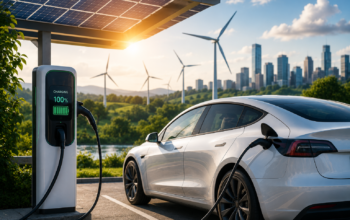
Then there’s charging gear. Home chargers, public stations, and adapters? Aftermarket demand is skyrocketing. With EV owners installing Level 2 chargers (hello, $500-$1,000 installs), electricians and auto shops are teaming up. Accessories like cable organizers, faster cables, and portable units add fun upsells—picture a rugged off-road charger for your Tesla Cybertruck.
Software and diagnostics are the cool kids now. EVs rely on over-the-air (OTA) updates, but glitches happen. Tools like OBD-II scanners for EVs (from brands like Autel) let shops diagnose infotainment bugs or motor issues. Customization is huge too—aftermarket wheels, brakes, and suspension for EVs need beefing up to handle instant torque. Brands like Unplugged Performance offer Tesla upgrades, turning stock rides into track stars.
Data backs the boom: The EV aftermarket could hit $50 billion by 2030, per Grand View Research, driven by these niches. It’s helpful to note that independents who invest in EV certification (like ASE’s EV program) are winning big. One shop owner in Texas told Automotive News they doubled EV service revenue in a year by adding battery health checks. Smiling all the way to the bank!
Supply Chain Shifts and Economic Ripple Effects
EVs aren’t just changing shops—they’re rewiring the entire supply chain. Rare earth metals for motors (like neodymium) and lithium for batteries mean new suppliers from China, Australia, and the US. Aftermarket players must source EV-specific parts, which can be pricier upfront but offer higher margins.
Take tires: EVs are heavier (batteries add 500-1,000 lbs), so they chew through rubber faster. Specialized low-rolling-resistance tires from Michelin or Continental are flying off shelves—up 15% in sales already. Brakes too: Regenerative braking reduces wear, but when pads do need replacing, they’re premium.
Economically, it’s a mixed bag. Big chains like AutoZone and O’Reilly are stocking more EV parts, with EV aisles popping up. But smaller rural shops might struggle if EVs cluster in cities. Globally, Europe’s aftermarket could lose $20 billion in ICE revenue but gain $15 billion in EV services by 2025, says AlixPartners.
The fun part? Innovation! 3D-printed parts for rare EV components and AI-driven predictive maintenance apps are cutting downtime. Tesla’s own aftermarket is limited, so third-parties fill the gap with wraps, lights, and aero kits. It’s creating jobs in tech—software coders in garages? Who saw that coming?
Challenges persist, like high-voltage safety training (shocks aren’t fun) and warranty worries—messing with batteries can void them. But regulations like the EU’s battery passport are standardizing repairs, making it easier for all.
The Road Ahead: Adaptation Strategies for Aftermarket Success
So, what’s next? The aftermarket isn’t dying—it’s hybridizing (pun intended). Hybrids bridge the gap, blending ICE and EV needs, buying time for full adaptation. By 2040, EVs might dominate, but the industry could grow to $600 billion overall, fueled by personalization and sustainability.
Shops should diversify: Offer EV conversions for classic cars (electric muscle cars, anyone?), fleet services for delivery EVs like Rivian vans, and even mobile battery swaps. Partnerships with OEMs (original equipment manufacturers) for certified repairs are key—think Bosch’s EV service network.
Consumers win too: Lower ownership costs mean more cash for mods. EV owners spend 20% more on accessories, per Cox Automotive. Light-hearted tip: Deck out your EV with neon underglow—it’s legal in most places and turns heads!
In numbers: A PwC study predicts 1.5 million new aftermarket jobs by 2030 in EV-related fields. Training is your best friend—free resources from SAE International or YouTube channels like Rich Rebuilds make it accessible.
Wrapping our joyride: EVs are transforming the aftermarket from oil-slicked bays to high-tech hubs. Yes, some doors close, but way more are opening. Whether you’re a DIYer, shop owner, or just curious, embrace the charge—it’s electrifying!