Electric vehicle (EV) adoption promises cleaner air, cheaper driving costs, and lower greenhouse gas emissions. But without careful planning, those benefits can be unevenly distributed, leaving low-income, rural, and marginalized communities behind. This blog examines the social equity implications of EV adoption and outlines practical ways to ensure accessibility for all communities.
Why social equity matters for EVs
Electric vehicles aren’t just a technical shift—they’re a social one. If EV adoption follows existing patterns of wealth and infrastructure, affluent neighborhoods and city centers will see the most benefits: better charging access, purchase incentives, and cleaner air. Meanwhile, communities that have long borne the brunt of pollution and transportation inequities—low-income neighborhoods, communities of color, and rural areas—may continue to suffer if policymakers and industry don’t act intentionally.
Key reasons equity matters:
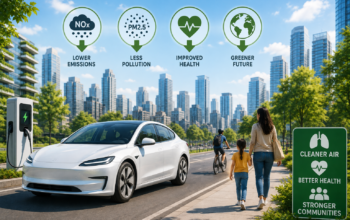
- Health impacts: Polluted neighborhoods often overlap with disadvantaged communities. EVs reduce tailpipe emissions, so wider EV access directly improves local air quality and health outcomes.
- Economic fairness: EVs can lower lifetime vehicle costs, but high upfront prices and limited financing options can exclude lower-income buyers.
- Regional inclusion: Charging infrastructure tends to cluster in urban, high-traffic areas. Without equitable rollout, rural and suburban residents may lack charging options.
- Job and workforce effects: The transition to EVs reshapes automotive jobs; equitable workforce development can prevent job displacement and create opportunities in underserved areas.
Barriers to equitable EV access
Understanding the barriers helps design solutions that actually work. Here are the main obstacles:
Upfront cost and financing
- Purchase price: EV sticker prices remain high for many buyers, even with incentives.
- Credit and financing: Lower credit scores and limited financing options reduce access to auto loans.
- Used EV market: A robust, affordable used EV market is still developing, limiting low-cost options.
Charging access and location
- Home charging limitations: Renters, residents of multifamily buildings, and those without private driveways cannot easily install home chargers.
- Public charger distribution: Fast chargers concentrate near highways and affluent neighborhoods; underserved areas may have few public chargers.
- Charging reliability and speed: Older chargers can be slow or out of service; fast, reliable chargers are necessary for practical use.
Electric grid and utility policies
- Grid constraints: Some neighborhoods may face higher costs or technical hurdles to support fast-charging stations.
- Utility rate structures: Time-of-use rates or demand charges may create unpredictable costs for drivers and station operators.
- Program design: Utilities sometimes design incentive programs that unintentionally favor wealthier customers.
Information and awareness
- Knowledge gaps: Misunderstandings about EV range, charging, and incentives can discourage adoption.
- Outreach barriers: Language, trust, and differing media consumption mean one-size-fits-all campaigns miss many communities.
Policy and incentive design
- Misaligned incentives: Tax credits tied to purchase price or requiring upfront payment can exclude low-income buyers who can’t carry the cost initially.
- Zoning and permitting: Slow permitting and restrictive zoning hinder charger deployment in certain neighborhoods.
Practical strategies to ensure EV accessibility for all communities
To make EV benefits universal, solutions must combine policy, funding, design, and outreach. Below are practical, evidence-based strategies that work together.
- Make EVs affordable and easier to finance
- Targeted incentives: Design rebates and vouchers for low- and moderate-income buyers that apply at point-of-sale to avoid upfront cost barriers.
- Support used EV markets: Fund battery-testing programs, warranties, and incentives for used EV purchases to expand low-cost options.
- Innovative financing: Create loan-loss reserves, on-bill financing, or community loan programs tailored to low-credit buyers to improve auto loan access.
- Trade-in and scrappage programs: Provide higher incentives for trading in older, polluting vehicles, especially in heavily impacted neighborhoods.
- Expand charging where people live and work
- Multifamily charging policies: Require or incentivize charger-ready construction and retrofits for apartments and condos. Support shared parking solutions where private charging is impossible.
- Public charging in underserved neighborhoods: Direct public funds to build chargers in low-income and rural areas, not just highway corridors.
- Mobile and pop-up charging: Deploy mobile chargers for events, emergencies, or temporary needs in areas where permanent infrastructure is delayed.
- Managed public charging: Ensure chargers are affordable and reliable, with pricing protections or capped rates in low-income areas.
- Design utility and grid solutions that support equity
- Grid upgrades with equity focus: Prioritize grid investments to enable charging in communities currently unable to support it.
- Equitable rate design: Create low-income electricity programs or time-of-use plans with protections so EV charging remains affordable.
- Community solar and storage: Pair chargers with local solar and battery storage projects to lower energy costs and improve resilience in underserved areas.
- Create inclusive policy and program design
- Point-of-sale rebates: Avoid tax credit structures that require upfront payment followed by reimbursement; use instant rebates or dealer-applied discounts.
- Localized incentive targeting: Allocate a portion of EV incentives specifically for historically marginalized ZIP codes or census tracts.
- Regulatory requirements: Include equity mandates in charger funding programs and EV infrastructure grants, with measurable targets and accountability.
- Build workforce pathways and local economic benefits
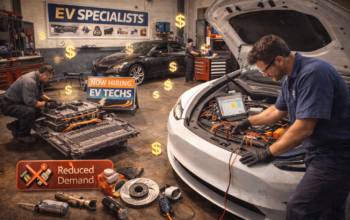
- Job training programs: Fund EV technician training, charging infrastructure installation apprenticeships, and battery recycling training targeted to residents of impacted communities.
- Local hiring and procurement: Tie public charger contracts to local labor and minority-owned business participation.
- Support small businesses: Help local garages and independent mechanics gain skills and certification to service EVs.
- Improve information access and community outreach
- Multilingual, culturally appropriate outreach: Use trusted community groups and multiple languages to explain EV benefits, incentives, and charging options.
- Community-based demonstration programs: Run neighborhood test-drive and education events to build familiarity and trust.
- Transparent data and mapping: Publish easy-to-understand maps of charger locations, wait times, and reliability so communities can make informed choices.
- Ensure environmental justice in siting and deployment
- Prioritize high-need areas: Place chargers and incentives in areas with high pollution exposure and low vehicle electrification rates.
- Avoid displacement and gentrification: Pair EV investments with anti-displacement strategies so improvements don’t push out existing residents.
- Monitor and measure outcomes: Track benefits like reduced pollution, cost savings, and job creation by community to ensure programs meet equity goals.
Case examples and models that work
Real-world programs offer blueprints for equitable EV rollout:
- Point-of-sale rebate programs: Some states and cities have shifted from tax credits to instant rebates applied at purchase, which dramatically increases uptake among low-income buyers.
- Community charger grants: Municipal programs that reserve funding specifically for public chargers in low-income neighborhoods show higher local access rates.
- Used EV incentive pilots: Programs offering extra incentives for used EV purchases help expand ownership among cost-sensitive households.
- Workforce partnerships: Community colleges partnering with manufacturers to create EV technician programs successfully place local residents into new jobs.
A simple framework for local governments and organizations
Communities can use a short, practical framework to guide equitable EV deployment:
- Assess: Map vehicle ownership, pollution exposure, income, housing types, and charging deserts to identify priority areas.
- Engage: Convene residents, community groups, utilities, and businesses to co-design solutions and avoid unintended harm.
- Fund: Allocate targeted funds for low-income rebates, public chargers in underserved areas, and workforce programs.
- Implement: Use point-of-sale rebates, multifamily charging requirements, emergency mobile charging, and prioritized grid upgrades.
- Measure: Track outcomes—charger access, vehicle uptake by income group, air quality improvements, and job placements—and adjust programs.
Common pitfalls to avoid
- Relying solely on tax credits: Tax credits help many, but not those who can’t afford the upfront cost or don’t pay enough taxes.
- Overbuilding chargers in affluent areas: Political and private investment can cluster benefits—ensure geographic and demographic targeting.
- Ignoring renters and multifamily residents: A large share of urban residents cannot install home chargers—policies must address shared housing.
- Failing to coordinate: Charging deployment without grid planning, workforce development, and outreach leads to underused or inequitable infrastructure.
Practical actions for community groups and advocates
If you’re an advocate, nonprofit, or local leader, here are steps you can take now:
- Map needs: Use public data to show where chargers and incentives are most needed.
- Push for point-of-sale rebates: Advocate for instant rebates or vouchers targeted at low-income buyers.
- Partner with utilities: Ask utilities for pilot programs that prioritize disadvantaged communities and protect against rate shocks.
- Host education events: Offer test drives, charging demos, and workshops with bilingual materials.
- Seek grant funding: Apply for federal, state, and philanthropic grants that prioritize equity-driven EV projects.
- Collaborate with housing agencies: Ensure new affordable housing includes charger-ready design and retrofit funding.
What success looks like
An equitable EV transition means:
- Widespread access to affordable EVs, including robust used markets and targeted purchase supports.
- Reliable, affordable charging options where people live, work, and shop—multifamily buildings included.
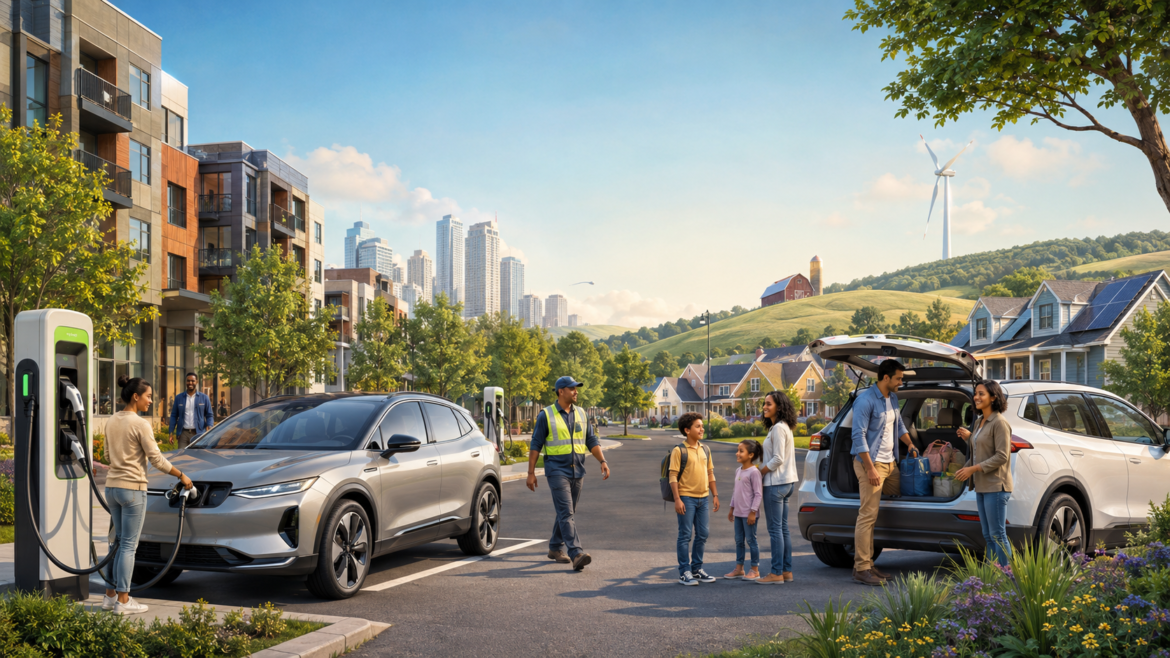
- Community benefits such as local job creation, improved air quality, and lower transportation costs concentrated where they’re most needed.
- Transparent data and accountability showing that historically marginalized communities reap measurable benefits.
Making the EV Transition Fair for Everyone
EVs offer huge potential to improve air quality, reduce greenhouse gases, and lower transportation costs. Achieving those benefits for everyone requires intentional policies and investments that remove financial, infrastructural, and informational barriers. By designing incentives that work at point-of-sale, expanding charging in underserved neighborhoods, aligning utility and grid solutions, and investing in workforce and community outreach, stakeholders can make sure the EV transition is fair, inclusive, and beneficial to all communities.