Electric vehicles (EVs) are more than a new kind of car — they’re a practical tool for countries, communities, and households to reduce reliance on imported oil and fossil fuels. By shifting how we power transport from petroleum to electricity, EVs change demand patterns, support renewable energy integration, and create opportunities for local economic resilience. This post explains how EVs contribute to energy independence, addresses common questions, and highlights key actions policymakers, businesses, and drivers can take.
How EVs reduce dependence on fossil fuels
- Direct fuel replacement. EVs run on electricity instead of gasoline or diesel. Each EV mile replaces a mile that would otherwise consume petroleum, immediately lowering oil demand for transportation — the largest single use of oil in many countries.
- Improved efficiency. Electric drivetrains are inherently more efficient than internal combustion engines. More of the energy stored (in the grid or in batteries) becomes usable motion, meaning fewer total energy inputs are needed per mile traveled.
- Localized energy sourcing. Electricity can be generated locally from diverse sources including renewables (solar, wind, hydro), reducing exposure to global oil markets and geopolitical supply shocks.
- Reduced refining and distribution needs. Widespread EV adoption shrinks the need for refining, tankers, pipelines, and gasoline stations, cutting the infrastructure tied to fossil fuel logistics and imports.
- Enables sector coupling. EVs can act as flexible loads that support grid balancing when paired with smart charging and vehicle-to-grid (V2G) systems, allowing electricity systems to absorb more variable renewables and reduce the share of fossil-fuel-based generation.
Can EVs really replace oil for transportation?
Yes — for many transport categories, EVs are highly viable now, and their role grows rapidly:
- Passenger vehicles: Most daily driving patterns fit within current EV ranges. Cost parity (or advantage) of EVs versus combustion vehicles is already present in many segments, accelerating replacement.
- Urban buses and delivery fleets: These operate on fixed routes and benefit from overnight depot charging, making them ideal early adopters.
- Light commercial vehicles: Parcel delivery and service vans are switching quickly due to predictable routes and total-cost-of-ownership benefits.
- Heavy trucks and long-haul transport: Electrifying heavy freight is more complex but progressing via battery improvements, electric road systems, and hydrogen for the heaviest segments.
- Aviation and shipping: Full electrification is limited by energy density needs; sustainable fuels, hydrogen, and electrified port operations will play roles while ships and planes transition over longer timescales.
How EVs interact with renewable energy and the electricity grid
- Demand shaping and flexibility. Smart charging shifts EV charging to hours of abundant renewable generation (e.g., sunny midday or windy nights), smoothing demand peaks and reducing the need for fossil-fuel peaker plants.
- Storage and grid services. EV batteries are distributed storage. With appropriate controls, parked EVs can store excess renewable energy and feed it back during shortages (V2G), providing frequency regulation, peak shaving, and emergency backup.
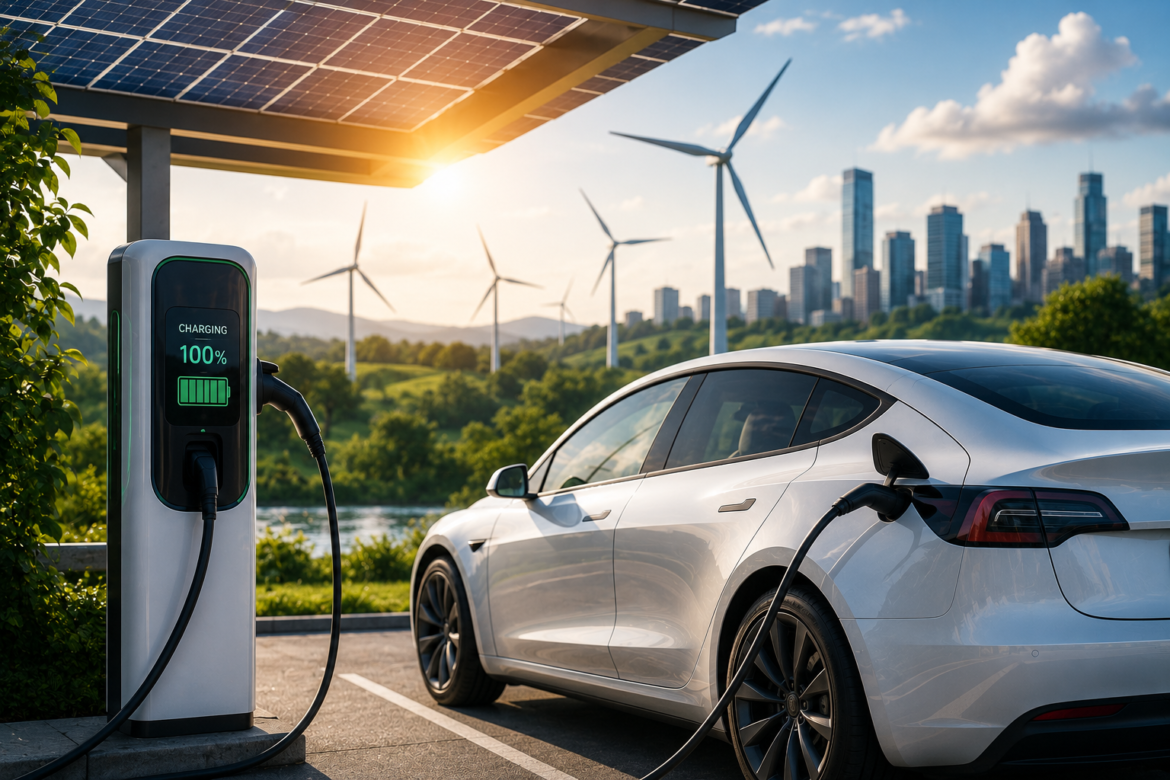
- Renewable integration. Increased electricity demand from EVs creates greater markets for wind, solar, and other renewables — accelerating investment and economies of scale that further decarbonize power.
- Infrastructure coordination. To maximize benefits, grid upgrades, smart meters, time-of-use pricing, and rapid charging networks must be deployed in parallel with renewable capacity expansion.
Economic and geopolitical benefits for energy independence
- Reduced oil import bills. Countries that currently import petroleum reduce trade deficits and exposure to volatile oil prices by substituting domestically generated electricity for fuel.
- Local job creation. EV manufacturing, battery production, charging infrastructure, and renewable energy projects create jobs and industrial opportunities that stay within national economies.
- Supply chain diversification. While EVs shift demand away from oil, they increase demand for minerals like lithium, cobalt, nickel, and manganese. Managing these supply chains responsibly and diversifying sources is crucial to avoid swapping one dependency for another.
- Strategic resilience. Electric grids coupled with local renewables and storage reduce vulnerability to disruptions in remote oil supply chains and maritime chokepoints.
Environmental and health advantages beyond energy independence
- Lower greenhouse gas emissions. When electricity is generated from low-carbon sources, EVs cut lifecycle emissions compared with fossil vehicles. Even on grids with significant fossil generation, EVs typically have lower emissions due to higher efficiency and centralized emission control.
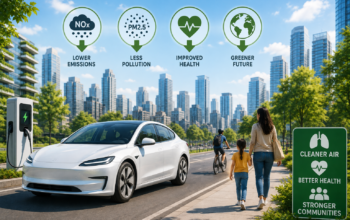
- Air quality and public health. EVs produce zero tailpipe emissions, improving urban air quality and reducing health harms from particulates and NOx associated with combustion engines.
- Noise reduction. Quieter operation reduces urban noise pollution, improving quality of life in dense areas.
Common barriers and practical solutions
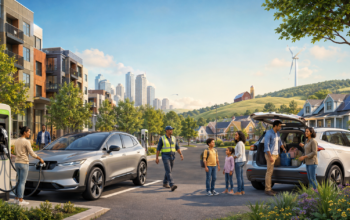
- Charging access. Barrier: lack of home charging for apartment dwellers and limited public chargers. Solution: build curbside and workplace chargers, incentivize landlords and developers, and deploy fast chargers at transit hubs.
- Grid constraints. Barrier: localized grid overloads from clustered charging. Solution: targeted grid upgrades, managed charging, and demand-response incentives to smooth loads.
- Upfront cost. Barrier: higher purchase prices for some EV models. Solution: incentives, leasing options, and highlighting lower lifetime operating costs, including fuel and maintenance savings.
- Battery raw materials. Barrier: concentration of mining and processing in few regions. Solution: recycling programs, domestic refining capacity, material substitution research, and strategic trade/partnerships.
- Consumer awareness. Barrier: misconceptions about range, reliability, and total cost. Solution: transparent lifecycle cost calculators, test-drive programs, and public education campaigns.
Policy and market actions that accelerate energy independence via EVs
- Clear targets and timelines. Set realistic EV adoption goals, fuel economy standards, and phase-out timelines for new internal combustion vehicles to send market signals.
- Incentives and tax policy. Use purchase incentives, registration benefits, or tax rebates to reduce upfront barriers for consumers and fleets.
- Charging infrastructure funding. Prioritize public charging deployment in underserved neighborhoods, multi-unit dwellings, and along major corridors.
- Grid and renewable planning. Coordinate EV expansion with renewable energy targets and grid modernization investments, including smart-grid technologies.
- Fleet electrification mandates. Lead by example: electrify government, municipal, and public transit fleets to build demand and visible deployment.
- Support for domestic supply chains. Invest in battery recycling, processing, and manufacturing to capture economic value and reduce overseas reliance.
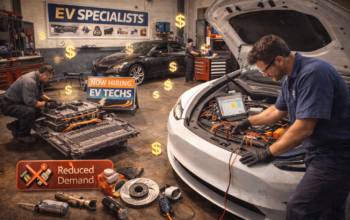
- Workforce development. Create training programs for EV maintenance, battery handling, and charging infrastructure installation.
What households and small businesses can do now
- Consider an EV for your next vehicle. Calculate total cost of ownership including fuel, maintenance, and incentives.
- Install smart charging. Use timers or smart chargers to shift charging to low-cost, low-carbon hours.
- Join or support community solar and storage projects. These increase local clean electricity available to charge EVs.
- Advocate for chargers in your area. Contact local officials or property managers to request curbside charging or workplace chargers.
- Recycle batteries responsibly. When replacing batteries or vehicles, use authorized recycling channels to recover materials.
Measuring progress: key metrics to track
- EV share of new vehicle sales and fleet composition.
- Reduction in national oil imports and gasoline/diesel consumption.
- Grid carbon intensity (grams CO2/kWh) and renewable share of generation.
- Public charging availability per population and chargers per vehicle.
- Local pollution indicators (NOx, PM2.5) in urban corridors.
- Domestic battery production and recycling rates.
Risks to watch and mitigate
- Mineral dependency. Actively diversify supply, invest in recycling, and support alternative chemistries to avoid creating new dependencies.
- Uneven access. Ensure equitable charging and EV incentives so energy independence benefits aren’t confined to affluent areas.
- Rapid but unmanaged growth. Coordinate grid planning and charging deployment to prevent local outages or excessive upgrade costs.
- Lifecycle emissions blind spots. Encourage clean manufacturing practices and decarbonization of battery production.
Case examples (concise)
- City bus fleets: Many cities replacing diesel buses with electric buses report immediate drops in local NOx and particulate matter and lower operating costs per mile.
- Island grids: Islands that deploy renewables plus EVs cut expensive fuel imports by using locally generated electricity for transport and shifting surplus solar into vehicles.
- Corporate fleets: Delivery companies switching to electric vans reduce fuel spending and improve route-level emissions reporting while gaining operational cost stability.
Short roadmap for scaling EV-driven energy independence (practical steps)
- Policymakers: set clear adoption targets, fund charging infrastructure, and align electricity planning with EV growth.
- Utilities: implement smart charging programs, invest in grid upgrades where needed, and offer time-of-use rates to encourage renewable charging.
- Businesses and fleets: electrify high-mileage vehicles first, invest in depot charging, and analyze total cost of ownership for rollout plans.
- Consumers: choose EVs where suitable, use smart charging, and support local renewable projects.
- Industry: scale battery recycling and diversify mineral sourcing, invest in manufacturing localization.
Moving Toward Energy Independence
EVs are a powerful lever to reduce fossil-fuel dependence and move toward energy independence. They cut oil demand, enable greater use of renewables, and create local economic value when deployed thoughtfully. Achieving those benefits requires coordinated action across policy, utilities, industry, and consumers — but the pathway is practical and underway. With smart charging, renewable alignment, and equitable rollout, EVs can help nations and communities store and use their own energy, insulating them from fossil fuel volatility while delivering cleaner air and long-term cost savings.