The urgent need to combat climate change has led to a growing interest in electric vehicles (EVs) as a means to reduce greenhouse gas (GHG) emissions in the transportation sector. In this article, we will explore the role of electric vehicles in reducing GHG emissions and combating climate change, highlighting their environmental benefits, challenges, and potential for widespread adoption.
GHG Emissions Reduction:
Transportation is a major contributor to GHG emissions, with conventional internal combustion engine vehicles being a significant source of carbon dioxide (CO2) and other pollutants. Electric vehicles offer a cleaner and more sustainable alternative, primarily due to the following reasons:
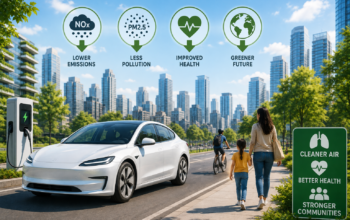
a. Zero Tailpipe Emissions: Unlike gasoline or diesel-powered vehicles, electric vehicles produce zero tailpipe emissions. They do not emit CO2 or other harmful pollutants during operation, resulting in immediate reductions in local air pollution and greenhouse gas emissions.
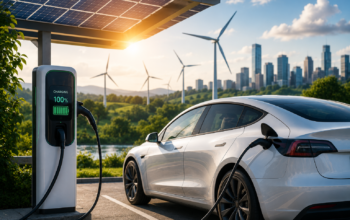
b. Decarbonization of the Power Grid: Although electric vehicles draw their power from the electricity grid, their environmental impact depends on the energy mix used for electricity generation. As countries transition to cleaner and renewable energy sources, the carbon footprint associated with charging electric vehicles decreases significantly. This shift toward a decarbonized power grid ensures that the emissions savings from EVs continue to improve over time.
Energy Efficiency:
Electric vehicles are more energy-efficient compared to their internal combustion engine counterparts. The energy conversion efficiency of electric motors is significantly higher than that of internal combustion engines. This means that a greater proportion of the energy stored in the battery is utilized for vehicle propulsion, resulting in less wasted energy and reduced overall energy consumption.
Potential for Renewable Energy Integration:
Electric vehicles can play a crucial role in facilitating the integration of renewable energy sources into the electricity grid. They can act as a flexible energy storage solution, enabling the utilization of excess renewable energy during periods of low demand. This concept, known as vehicle-to-grid (V2G) technology, allows EVs to store energy when it is plentiful and discharge it back to the grid during peak demand, supporting grid stability and maximizing the utilization of renewable energy resources.
Lifecycle Emissions:
When evaluating the environmental impact of electric vehicles, it is essential to consider lifecycle emissions, including manufacturing, operation, and end-of-life disposal. While the manufacturing of EVs may have higher emissions compared to conventional vehicles due to the production of batteries and other components, the lower emissions during the operational phase more than compensate for this initial impact. Studies have shown that, over their lifetime, electric vehicles have lower GHG emissions compared to internal combustion engine vehicles, even when accounting for the emissions associated with battery production.
Challenges and Solutions:
Despite the environmental benefits of electric vehicles, several challenges need to be addressed for their widespread adoption and maximum impact in reducing GHG emissions:
a. Charging Infrastructure: The availability of an extensive and reliable charging infrastructure is crucial for the widespread adoption of electric vehicles. Governments and private entities should invest in the development of charging networks, including fast-charging stations in urban areas and along major highways. Collaborations between industry stakeholders, utilities, and governments can help overcome the challenges related to infrastructure deployment.
b. Range Anxiety: Range anxiety, the fear of running out of battery charge before reaching a charging station, is a concern for many potential EV buyers. Improvements in battery technology, increased charging speeds, and the expansion of charging infrastructure can alleviate this concern and make electric vehicles more appealing to consumers.
c. Affordability and Incentives: The upfront cost of electric vehicles, primarily due to the cost of batteries, remains a barrier for many consumers. Governments can implement financial incentives, such as tax credits, grants, or rebates, to make electric vehicles more affordable. Additionally, the development of a secondary market for used EVs can provide more options for cost-conscious buyers.
d. Battery Recycling and Disposal: The increasing adoption of electric vehicles raises questions about the recycling and disposal of batteries. Proper recycling infrastructure and regulations are essential to ensure the safe and environmentally friendly management of spent EV batteries. The development of battery recycling facilities and the implementation of extended producer responsibility programs can address these concerns.
Policy Support:
To fully realize the potential of electric vehicles in reducing GHG emissions, supportive policies and regulations are necessary. Governments should consider:
a. Financial Incentives: Providing financial incentives, such as tax credits or purchase subsidies, to reduce the upfront cost of electric vehicles can drive consumer demand.
b. Charging Infrastructure Investment: Governments can invest in the development of public and private charging infrastructure to alleviate range anxiety and promote widespread adoption.
c. Fleet Electrification: Encouraging the electrification of public transportation, government fleets, and commercial vehicles can have a significant impact on reducing GHG emissions, as these vehicles often have high mileage and contribute disproportionately to pollution.
d. Renewable Energy Integration: Policies that promote the deployment of renewable energy sources, such as solar and wind, alongside the growth of electric vehicles can create synergies and maximize emissions reductions.
Conclusion:
Electric vehicles have a vital role to play in reducing GHG emissions and combatting climate change in the transportation sector. Through zero tailpipe emissions, energy efficiency, integration with renewable energy sources, and lifecycle emissions reductions, electric vehicles offer a cleaner and more sustainable alternative to internal combustion engine vehicles. Overcoming challenges related to charging infrastructure, range anxiety, affordability, and battery recycling is crucial for their widespread adoption. With supportive policies, investments in infrastructure, and public-private collaborations, electric vehicles can make significant contributions to global efforts in mitigating climate change and building a more sustainable future.