Ride-sharing and car-sharing services have revolutionized the way people travel, providing convenient and flexible transportation options while also addressing sustainability concerns. In recent years, these services have begun incorporating electric vehicles (EVs) into their fleets, playing a pivotal role in promoting electric vehicle use. In this article, we will explore the role of ride-sharing and car-sharing services in accelerating the adoption of electric vehicles, highlighting their benefits, challenges, and the potential for future growth.
Benefits of Ride-Sharing and Car-Sharing Services:
a. Convenience and Flexibility: Ride-sharing and car-sharing services offer users convenient and on-demand transportation options. With the tap of a smartphone, users can request a ride or access a shared vehicle, eliminating the need for car ownership and associated expenses such as maintenance, parking, and insurance.
b. Cost Savings: By utilizing ride-sharing and car-sharing services, individuals can save money compared to owning a personal vehicle. Shared mobility services provide access to transportation without the upfront costs of purchasing a car or the ongoing expenses of fuel and maintenance.
c. Reduced Congestion: Car-sharing and ride-sharing services have the potential to reduce traffic congestion. By sharing rides and vehicles, multiple passengers can travel together, reducing the overall number of vehicles on the road. This leads to smoother traffic flow, less congestion, and decreased travel times.
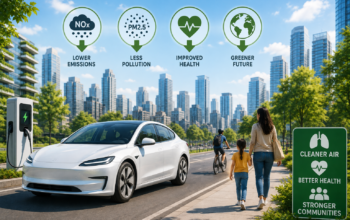
d. Environmental Benefits: Incorporating electric vehicles into ride-sharing and car-sharing services brings significant environmental advantages. EVs produce zero tailpipe emissions, reducing greenhouse gas emissions, air pollution, and dependence on fossil fuels. By promoting the use of electric vehicles, these services contribute to a cleaner and more sustainable transportation system.
Electric Vehicle Integration:
a. Fleet Electrification: Many ride-sharing and car-sharing companies are actively transitioning their fleets to electric vehicles. By incorporating electric vehicles into their operations, these services demonstrate their commitment to sustainability and provide an opportunity for users to experience and familiarize themselves with electric mobility.
b. User Experience: Electric vehicles are well-suited for short-distance urban travel, making them an ideal choice for ride-sharing and car-sharing services. With the advances in electric vehicle technology, the range and charging infrastructure have improved, making EVs a viable option for these services.
c. Incentives and Promotions: Ride-sharing and car-sharing companies often provide incentives to encourage both drivers and users to choose electric vehicles. These incentives can include discounted rates for electric vehicles, priority access to charging stations, or rewards for eco-friendly driving behavior. Such promotions raise awareness, incentivize EV adoption, and create a positive user experience.
Challenges and Solutions:
a. Range Anxiety: Range anxiety, the fear of running out of battery charge, remains a concern for potential users of electric vehicles. To address this challenge, ride-sharing and car-sharing services can strategically deploy charging infrastructure and educate users about the availability of charging stations. Incorporating real-time charging station information into the app interface can help alleviate range anxiety and increase user confidence in electric vehicles.
b. Charging Infrastructure: Availability and accessibility of charging infrastructure are crucial for the success of electric vehicle integration in shared mobility services. Collaborations with charging network providers, local authorities, and private entities can ensure the deployment of charging stations in high-demand areas, such as urban centers and transportation hubs.
c. Vehicle Utilization and Efficiency: Efficient utilization of electric vehicles is essential to maximize their environmental benefits. Ride-sharing and car-sharing services can implement intelligent algorithms and technologies to optimize vehicle dispatching, route planning, and pooling strategies. By efficiently matching drivers and passengers and minimizing empty vehicle trips, these services can enhance the utilization and efficiency of electric vehicles.
Future Growth and Opportunities:
a. Integration with Public Transit: Ride-sharing and car-sharing services can complement existing public transit networks by providing first and last-mile connectivity. By integrating electric vehicles into their services, these companies can bridge gaps in public transportation and provide seamless and sustainable mobility options.
b. Partnerships and Collaboration: Collaboration between ride-sharing and car-sharing services, automakers, charging infrastructure providers, and local governments can drive the expansion of electric vehicle use in shared mobility. Public-private partnerships can facilitate infrastructure investments, policy support, and knowledge sharing, leading to a more integrated and sustainable transportation ecosystem.
c. Data-Driven Insights: Ride-sharing and car-sharing services generate vast amounts of data regarding travel patterns, user behavior, and charging infrastructure utilization. Analyzing this data can provide valuable insights into the demand for electric vehicles, infrastructure requirements, and user preferences. These insights can inform decision-making, infrastructure planning, and policy formulation for a more efficient and effective electric vehicle ecosystem.
Conclusion:
Ride-sharing and car-sharing services have a significant role to play in promoting electric vehicle use. By incorporating electric vehicles into their fleets, these services provide users with access to convenient, flexible, and sustainable transportation options. The benefits of ride-sharing and car-sharing, including cost savings, reduced congestion, and environmental advantages, are further enhanced by the adoption of electric vehicles. Overcoming challenges related to range anxiety, charging infrastructure, and vehicle utilization requires collaboration, innovation, and supportive policies. As ride-sharing and car-sharing services continue to evolve, their integration with electric vehicles will contribute to the transition towards a cleaner and more sustainable transportation system, ultimately combatting climate change and improving the quality of urban life.