Electric vehicles (EVs) have the potential to revolutionize transportation not only in urban centers but also in rural areas. While urban areas have been the primary focus of EV adoption, rural communities can benefit greatly from the transition to electric mobility. In this article, we will explore the potential for electric vehicles to transform transportation in rural areas, highlighting the advantages, challenges, and opportunities that arise from their implementation.
Advantages of Electric Vehicles in Rural Areas:
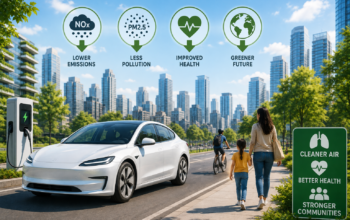
Environmental Benefits: Electric vehicles produce zero tailpipe emissions, reducing air pollution and mitigating the impact of transportation on climate change. In rural areas, where the natural environment is often pristine and air quality is vital for agricultural activities, the use of electric vehicles can contribute to cleaner air, better health outcomes, and environmental preservation.
Cost Savings: Rural areas often encompass vast distances, resulting in higher fuel consumption for conventional vehicles. Electric vehicles offer cost savings in terms of fuel expenses since electricity is generally cheaper than gasoline or diesel. Additionally, electric vehicles require less maintenance and have fewer moving parts, reducing maintenance costs over the long term.
Energy Independence: Rural communities may have limited access to fuel stations, which can make refueling a challenge. Electric vehicles, on the other hand, can be charged at home using residential electricity outlets. This provides greater energy independence for rural residents, as they can recharge their vehicles conveniently at their homes, reducing their dependence on external fuel sources.
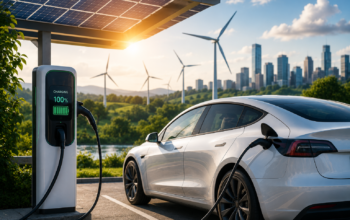
Utilization of Renewable Energy: Rural areas often have abundant renewable energy resources, such as solar or wind power. Electric vehicles can serve as a means to utilize this locally generated renewable energy. Home solar installations, for example, can power both household electricity needs and the charging of electric vehicles, creating a more sustainable and self-sufficient energy ecosystem.
Challenges and Solutions:
Charging Infrastructure: Establishing a reliable and comprehensive charging infrastructure network is a crucial challenge in rural areas. Due to lower population densities, the cost-effectiveness of building charging stations in rural communities may be a concern. However, innovative solutions, such as strategically placing charging stations in key locations, such as near community centers, schools, or commercial areas, can help address this challenge. Additionally, utilizing renewable energy sources for charging stations can make the infrastructure more sustainable and resilient.
Range Anxiety: The fear of running out of battery charge, known as range anxiety, is a common concern for EV owners. In rural areas with fewer charging stations, this concern may be amplified. However, the development of EV battery technology has led to longer driving ranges, alleviating range anxiety to a certain extent. Educating rural residents about the range capabilities of electric vehicles and identifying optimal charging locations can help address this challenge.
Public Awareness and Education: Rural communities may have limited exposure to electric vehicles, leading to a lack of awareness about their benefits and capabilities. Public outreach and educational initiatives, such as community workshops, EV test-drive events, and information campaigns, can help increase awareness and understanding of electric vehicles in rural areas. This can facilitate a smoother transition to electric mobility and encourage broader adoption.
Opportunities for Electric Vehicle Adoption in Rural Areas:
Agricultural Applications: Rural areas often have a strong agricultural presence. Electric vehicles can be particularly advantageous in this sector, offering benefits such as quieter operation, reduced emissions, and lower operating costs for farm vehicles, such as tractors or utility vehicles. Integrating electric vehicles into agricultural operations can improve sustainability, increase efficiency, and enhance the overall environmental performance of the farming industry.
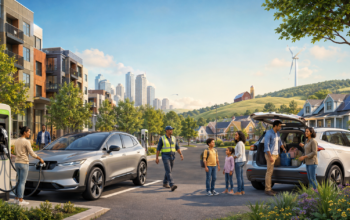
Community Initiatives: Rural communities often exhibit a strong sense of community and collaborative spirit. This provides an opportunity for community-led initiatives to drive electric vehicle adoption. Cooperative efforts, such as forming community charging cooperatives, shared electric vehicle ownership programs, or car-sharing initiatives, can facilitate the cost-effective deployment of charging infrastructure and increase access to electric vehicles in rural areas.
Tourism and Recreation: Rural areas often attract tourists and visitors seeking natural beauty and recreational activities. Electric vehicles can enhance the tourism experience by providing quiet and environmentally friendly transportation options, such as electric shuttles or rental services. This not only promotes sustainable tourism but also showcases the commitment of rural communities to environmental stewardship.
Electric vehicles have the potential to revolutionize transportation in rural areas, bringing numerous advantages, including environmental benefits, cost savings, energy independence, and utilization of renewable energy resources. Overcoming challenges related to charging infrastructure and range anxiety requires innovative solutions, public awareness, and educational initiatives. The unique characteristics of rural communities, such as strong community ties and agricultural activities, present opportunities for community-led initiatives and the integration of electric vehicles into various sectors. By embracing electric mobility, rural areas can not only contribute to the global effort in combating climate change but also enhance sustainability, improve quality of life, and showcase their commitment to a greener future.