The increasing adoption of electric vehicles (EVs) has the potential to significantly impact the electricity grid and energy demand. As more vehicles transition from internal combustion engines to electric motors, it becomes essential to understand and prepare for the effects on the grid infrastructure, energy generation, and overall energy consumption. In this article, we will explore the impact of electric vehicles on the electricity grid and energy demand, addressing the challenges and opportunities that arise from this transformative shift.
Increased Electricity Demand:
The widespread adoption of electric vehicles will result in an increased demand for electricity. As more EVs are charged, additional energy will be required from the grid. This surge in electricity demand may strain the existing infrastructure, especially during peak charging times. However, it is important to note that this increase in demand can be managed and optimized with proper planning and infrastructure upgrades.
Load Management and Grid Flexibility:
The integration of electric vehicles into the electricity grid presents opportunities for load management and grid flexibility. Smart charging solutions can be implemented to optimize charging times and distribute the load more evenly throughout the day. By utilizing time-of-use pricing and incentivizing off-peak charging, grid operators can encourage EV owners to charge their vehicles during periods of lower demand, balancing the load on the grid.
Additionally, vehicle-to-grid (V2G) technology allows bidirectional energy flow between EVs and the grid. This technology enables EVs to store excess energy during periods of low demand and discharge it back to the grid during peak demand, providing a valuable resource for grid stabilization and meeting peak energy requirements. V2G technology has the potential to transform EVs into mobile energy storage units, enhancing grid resiliency and reducing the need for additional infrastructure investments.
Grid Upgrades and Infrastructure Investment:
The increase in electricity demand resulting from the adoption of electric vehicles may require upgrades and investments in the electricity grid infrastructure. Upgrading transformers, distribution lines, and charging infrastructure in residential, commercial, and public areas is crucial to ensure the grid’s capacity to handle the additional load. Collaborations between utility companies, governments, and other stakeholders can help prioritize and fund these infrastructure upgrades.
Renewable Energy Integration:
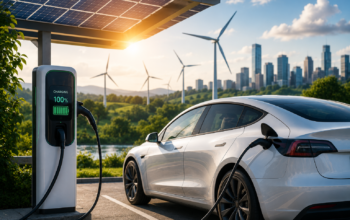
The growth of electric vehicles aligns with the increased deployment of renewable energy sources, such as solar and wind power. The intermittent nature of renewable energy generation can be complemented by the flexible charging capabilities of electric vehicles. EVs can be charged when renewable energy generation is at its peak, reducing the reliance on conventional power plants and enabling a higher penetration of renewable energy into the grid. This integration promotes a cleaner and more sustainable energy ecosystem, supporting the overall decarbonization of the transportation and energy sectors.
Demand Response and Energy Efficiency:
Electric vehicles can play a vital role in demand response programs, which aim to manage and balance electricity demand during peak periods. By participating in demand response initiatives, EV owners can receive incentives for reducing their charging during high-demand periods or increasing charging during periods of excess renewable energy generation. This not only helps maintain grid stability but also promotes energy efficiency and cost savings for EV owners.
Localized Impacts:
The impact of electric vehicles on the electricity grid and energy demand can vary depending on the geographic location. Urban areas with higher population densities and concentrated EV charging infrastructure may experience localized impacts, such as increased strain on local distribution networks. Understanding and planning for these localized effects is crucial to ensure efficient and reliable grid operations.
Conclusion:
The widespread adoption of electric vehicles will undoubtedly impact the electricity grid and energy demand. While the increased electricity demand poses challenges for grid operators, it also presents opportunities for load management, grid flexibility, renewable energy integration, and demand response programs. Strategic infrastructure upgrades, smart charging solutions, and collaborations among stakeholders are essential for a smooth transition and optimal utilization of electric vehicles.
As the world moves toward a more sustainable and decarbonized future, the impact of electric vehicles on the electricity grid and energy demand should be seen as a catalyst for innovation and transformation. By leveraging the capabilities of electric vehicles and their integration with renewable energy sources, we can create a more resilient, efficient, and sustainable energy ecosystem that supports the transition to a low-carbon transportation system. Proper planning, infrastructure investments, and policy support are crucial to harnessing the full potential of electric vehicles while ensuring the reliability and stability of the electricity grid.