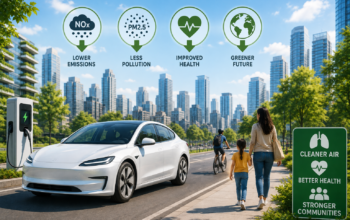
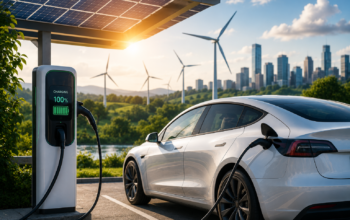
As electric vehicles (EVs) gain popularity, one of the key considerations for potential EV owners is home charging. Home charging offers numerous benefits, including convenience, cost savings, and the ability to customize charging to suit individual needs. However, there are also costs and considerations associated with home EV charging. In this article, we will explore the benefits, costs, and considerations of electric vehicle charging at home, providing insights to help individuals make informed decisions about home EV charging.
Benefits of Electric Vehicle Charging at Home:
Convenience: Home charging provides the ultimate convenience for EV owners. With a residential charging station, EV owners can charge their vehicles overnight while they sleep, ensuring a full battery each morning. This eliminates the need to visit public charging stations and allows for a seamless and hassle-free charging experience.
Cost Savings: Charging an electric vehicle at home is generally more cost-effective compared to using public charging stations. Residential electricity rates are typically lower than the per-kilowatt-hour rates at public charging stations, resulting in cost savings over time. Additionally, home charging eliminates the need for frequent refueling at gas stations, reducing overall transportation expenses.
Customizable Charging: Home EV chargers allow for customizable charging schedules. EV owners can program the charger to charge during off-peak hours when electricity rates are lower, further reducing charging costs. Smart charging features also enable users to remotely control and monitor charging sessions through smartphone apps, adding an extra layer of flexibility and control.
Increased Vehicle Range: Regular home charging ensures that the EV’s battery remains topped up, providing maximum driving range. With a fully charged battery every morning, EV owners can confidently embark on their daily commutes or longer journeys without worrying about range anxiety.
Costs of Electric Vehicle Charging at Home:
Initial Investment: The primary cost associated with home EV charging is the initial investment in the charging equipment. The price of residential EV charging stations can vary based on factors such as charging speed, brand, and features. While some basic Level 1 chargers can be relatively inexpensive, Level 2 chargers, which offer faster charging speeds, may involve a higher upfront cost.
Installation Costs: In addition to the charging equipment, there may be installation costs for a home charging station. This can include electrical work to upgrade the home’s electrical system, especially if a Level 2 charger requires higher amperage or a dedicated circuit. Installation costs can vary depending on the complexity of the electrical work required and the location of the charging station.
Energy Consumption: While charging an electric vehicle at home is generally more cost-effective than refueling with gasoline, it still contributes to the household’s overall energy consumption. EV owners should consider the potential impact on their electricity bill and evaluate the long-term cost savings compared to gasoline-powered vehicles.
Considerations for Electric Vehicle Charging at Home:
Homeownership vs. Renting: Home charging is most accessible to EV owners who have access to a dedicated parking space, such as a private garage or driveway. This can be a significant consideration for those living in multi-unit buildings or rental properties, where the availability of charging infrastructure may be limited. In such cases, discussions with landlords or property management may be necessary to explore options for EV charging.
Charging Speed: The charging speed of the EV charger is an essential factor to consider. Level 1 chargers, which use a standard household outlet, offer the slowest charging speed, suitable for overnight charging. On the other hand, Level 2 chargers provide faster charging, allowing for quicker top-ups during the day. The desired charging speed will depend on individual driving habits and the daily range requirements.
Electricity Rate Plans: EV owners should familiarize themselves with their electricity rate plans to optimize cost savings through smart charging. Time-of-use (TOU) rate plans offer lower electricity rates during off-peak hours, incentivizing charging during these times. Some utility companies also offer special EV rate plans designed to lower charging costs for electric vehicle owners.
Charging Infrastructure Support: Before investing in a home charging station, EV owners should check for local incentives, rebates, or tax credits that may be available to offset some of the initial costs. Additionally, some utility companies offer EV charging infrastructure support, such as discounted charging rates or free installation of home chargers.
Electric vehicle charging at home offers a range of benefits, including convenience, cost savings, customizable charging schedules, and increased vehicle range. However, individuals considering home EV charging should carefully evaluate the initial investment, installation costs, and the impact on their household’s energy consumption. Homeownership and access to a dedicated parking space play a crucial role in determining the feasibility of home charging.
With advancements in EV technology and charging infrastructure, home charging is becoming an increasingly viable and attractive option for EV owners. As electric vehicles continue to gain momentum, it is essential for individuals to make informed decisions about home EV charging, considering their unique circumstances, driving patterns, and financial considerations. By carefully weighing the benefits and costs, individuals can maximize the advantages of home charging and contribute to a greener and more sustainable transportation future.