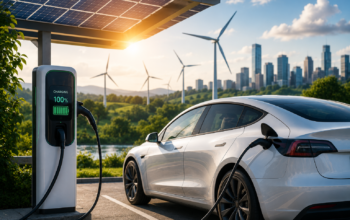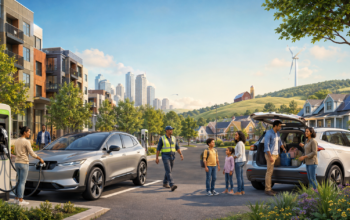
Imagine breathing easier on your daily commute. No more coughing from exhaust fumes, no more hazy skies blocking the sun, and no more worrying about the air your kids breathe on their way to school. That’s the promise of electric vehicles (EVs) in our cities. As more people switch from gas-powered cars to EVs, urban air quality is improving—and so is public health. Let’s explore how electric vehicles are making a real difference in the air we breathe and the health of our communities.
How Electric Vehicles Clean Up City Air
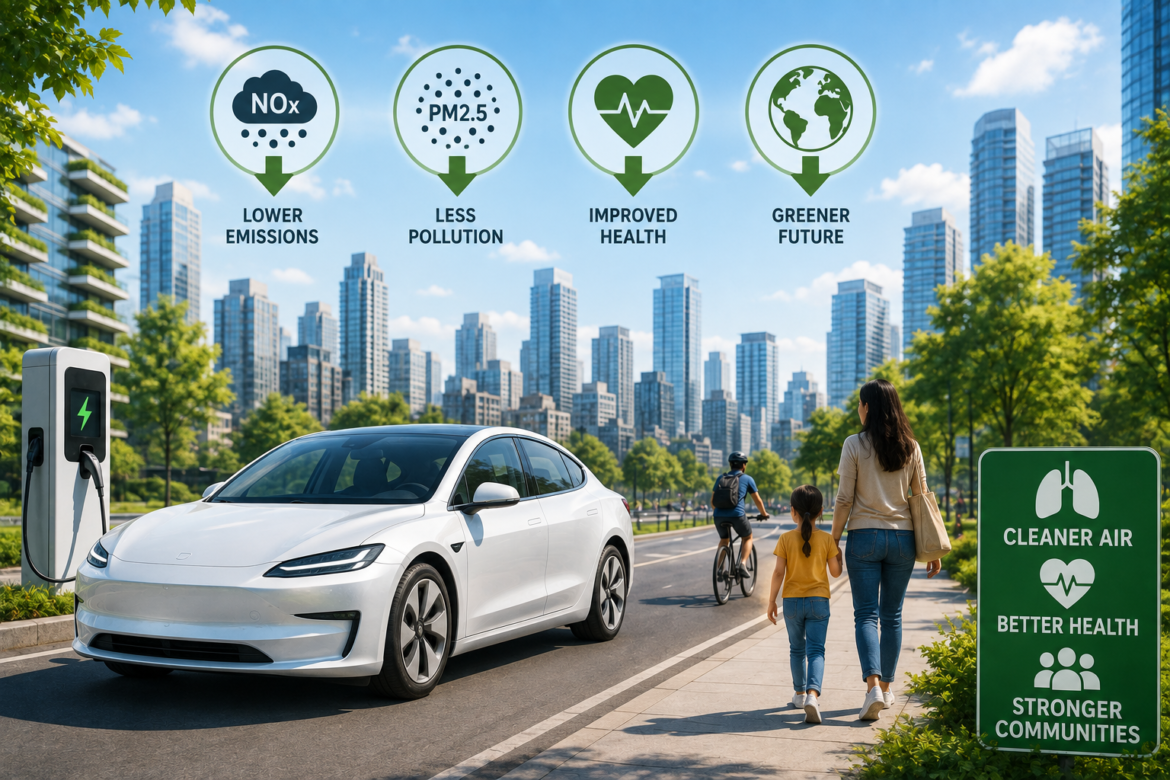
Electric vehicles are a game-changer for urban air quality because they produce zero tailpipe emissions. Traditional gasoline and diesel cars release a mix of harmful pollutants every time they’re driven, including nitrogen oxides (NOx), carbon monoxide (CO), and fine particulate matter (PM2.5). These pollutants don’t just disappear—they linger in the air, especially in busy city streets where traffic is heavy.
When you replace a gas car with an EV, you’re removing a major source of these pollutants right where people live, work, and play. Studies show that as more EVs hit the road, levels of NOx and PM2.5 drop noticeably. For example, research in China found that a 10% increase in EV charging was linked to a 0.08% reduction in NO2 and a 0.04% decrease in PM2.5. In California, neighborhoods that added more zero-emission vehicles saw NO2 levels fall by 1.1% for every 200 new EVs.
The benefits don’t stop there. EVs also help reduce carbon monoxide and, in some places, even lower summer ozone levels. Because EVs don’t burn fuel, they don’t release the same cocktail of chemicals that make city air unhealthy. This means cleaner air for everyone, not just EV drivers.
Real-World Health Benefits for City Dwellers
Cleaner air isn’t just about clearer skies—it’s about healthier people. When cities switch to electric vehicles, the drop in air pollution leads to fewer cases of asthma, heart disease, and other health problems linked to dirty air. In fact, the health benefits are so significant that researchers can measure them in lives saved.
A major study in China estimated that the rise of electric vehicles prevented around 260,000 premature deaths in 2023 alone. That’s because lower levels of PM2.5 and carbon monoxide mean fewer people develop serious respiratory and cardiovascular conditions. In California, areas with more EVs saw a 3.2% drop in asthma-related emergency room visits for every 20 additional zero-emission vehicles per 1,000 people.
These improvements are especially important for vulnerable groups like children, the elderly, and people with existing health conditions. By reducing the pollutants that trigger asthma attacks and worsen heart disease, EVs help protect those who are most at risk. The result is a healthier, more resilient urban population.
What This Means for Your City and Your Health
You might be wondering: “What does this mean for me?” If you live in or near a city, the shift to electric vehicles can have a direct impact on your daily life. Cleaner air means you can spend more time outdoors without worrying about pollution. It means fewer sick days for you and your family, and lower healthcare costs over time.
As more EVs hit the road, the benefits multiply. Every gas car replaced by an EV removes a source of pollution from your neighborhood. Over time, this adds up to noticeably fresher air, clearer views, and a healthier environment for everyone. Cities that embrace EVs are not just cutting emissions—they’re investing in the well-being of their residents.
The transition to electric vehicles is already underway, and the results are clear. From Beijing to Los Angeles, data shows that EV adoption leads to measurable improvements in air quality and public health. As technology improves and more people make the switch, these benefits will only grow.
The Bigger Picture: EVs and a Healthier Future
Electric vehicles are more than just a trend—they’re a key part of building healthier, more sustainable cities. By cutting tailpipe emissions, EVs tackle one of the biggest sources of urban air pollution. This not only helps the planet but also protects the people who call cities home.
The evidence is in: as EVs become more common, air pollution goes down and public health goes up. Fewer people get sick, fewer lives are cut short, and everyone enjoys the benefits of cleaner air. The shift to electric vehicles is a win for the environment and a win for our communities.
So, the next time you see an EV on the road, remember: it’s not just a car. It’s a step toward cleaner air, better health, and a brighter future for all of us.