Electric vehicles, or EVs, are becoming an increasingly popular choice for many drivers, and there are many benefits associated with owning an electric vehicle.
First and foremost, EVs are environmentally friendly. They produce no emissions at the tailpipe and have a much lower carbon footprint than traditional internal combustion engine vehicles. This not only helps to reduce air pollution and greenhouse gas emissions, but it also helps to address climate change, which is one of the biggest challenges facing our planet.
In addition to the environmental benefits, EVs also offer economic benefits. The cost of electricity to power an EV is significantly lower than the cost of gasoline or diesel fuel, which means that owners can save money on fuel costs over the life of the vehicle. This is particularly true if they have access to low-cost renewable energy, such as solar or wind power.
Another benefit of EVs is that they are often more reliable and require less maintenance than traditional internal combustion engine vehicles. This is because EVs have fewer moving parts and do not require regular oil changes or other routine maintenance. This can help to reduce the overall cost of ownership for an EV, as well as reduce the time and inconvenience associated with taking a vehicle in for routine maintenance.
EVs are also more efficient than traditional internal combustion engine vehicles, which means that they can travel further on a single charge. This makes them more suitable for long-distance travel, and it also helps to reduce the need for frequent stops to refuel.
In addition to the environmental and economic benefits, EVs also offer many other practical benefits. For example, they are often eligible for various incentives, such as tax credits and HOV lane access, which can help to reduce the cost of ownership. They are also typically eligible for preferential parking and charging in many cities, which can make it easier for drivers to find a place to park and recharge their vehicle.
Another practical benefit of EVs is that they are often equipped with advanced technology, such as advanced driver assistance systems (ADAS) and infotainment systems, which can make the driving experience more enjoyable and convenient. For example, many EVs are equipped with features such as automatic emergency braking, lane departure warning, and adaptive cruise control, which can help to improve safety and make driving more comfortable.
EVs are often more fun to drive than traditional internal combustion engine vehicles. This is because EVs provide instant torque, which gives the vehicle a sporty and responsive feel. Additionally, EVs are often quieter and smoother to drive than traditional vehicles, which can make the driving experience more relaxing and enjoyable.
One of the biggest challenges for many drivers considering an EV is the upfront cost. While EVs are often more affordable to operate over the long-term, the initial purchase price can be higher than that of a traditional internal combustion engine vehicle. This can be a barrier for some drivers, particularly those who are on a tight budget.
However, there are many ways to offset the upfront cost of an EV. For example, many countries offer tax credits or other incentives to encourage the purchase of EVs, which can help to reduce the cost of ownership. Additionally, some automakers offer special financing programs, such as low-interest loans or lease programs, which can help to make EVs more affordable for drivers.
Another challenge associated with EVs is the limited range of some vehicles. While many newer EVs are capable of traveling hundreds of miles on a single charge, older EVs or those with smaller battery packs may have a limited range of only a few hundred miles. This can make it difficult for drivers to take long-distance trips without stopping to recharge.
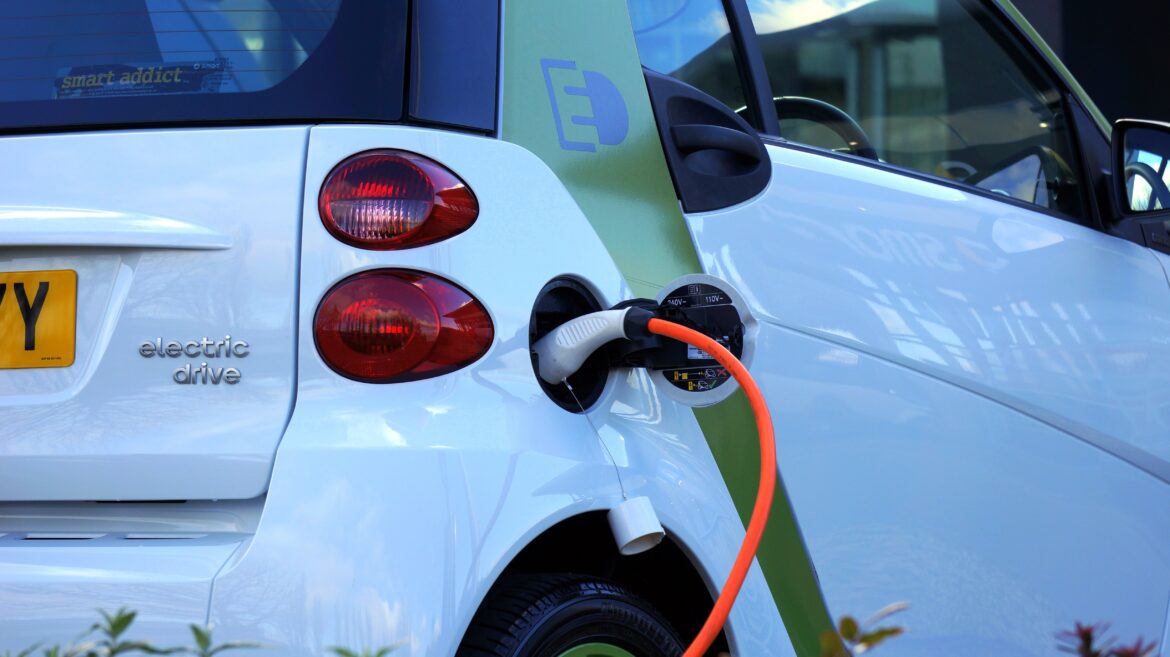
However, the growth of the EV market is driving innovation and creating new solutions to this challenge. For example, many automakers are investing in the development of fast-charging technology, which can charge an EV battery from zero to 80% in just 30 minutes. Additionally, some cities and towns are investing in public charging infrastructure, which makes it easier for drivers to find a place to recharge their vehicle.
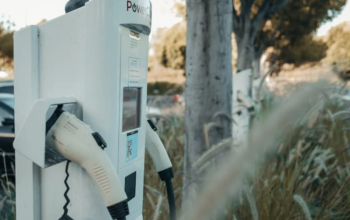
Some drivers may have concerns about the availability of charging infrastructure, particularly when traveling. While the growth of the EV market is driving the development of new charging infrastructure, there are still areas of the world where charging options are limited. However, this is changing rapidly, and many automakers and energy companies are investing in the development of new charging networks to support the growth of the EV market.
Another factor that is contributing to the growth of the EV market is the increasing availability of new models. Many automakers are investing in the development of new EVs, and there is a growing variety of models available to meet the needs of different drivers. This includes everything from small city cars to large SUVs and pickup trucks, giving drivers a wide range of options to choose from.
Furthermore, many automakers are also investing in new battery technology, which is making EVs more efficient and increasing their range. This is allowing drivers to travel further on a single charge, making EVs more suitable for long-distance travel. Additionally, some automakers are also investing in wireless charging technology, which makes it even easier to charge an EV, as the battery can be charged simply by parking the vehicle over a charging pad.
Finally, the growth of the EV market is also driving the development of new business opportunities. For example, many energy companies are investing in the development of new charging networks, which will make it easier for drivers to find a place to recharge their vehicle. Additionally, some companies are investing in new battery technology, which will make EVs even more efficient and increase their range.
In conclusion, there are many benefits associated with owning an electric vehicle, including environmental benefits, economic benefits, practical benefits, and driving benefits. While there are still some challenges to be addressed, such as the limited range of some EVs and the high upfront cost, the growth of the EV market is driving innovation and creating new business opportunities. Whether for personal use or commercial applications, EVs are an important part of the solution to reducing greenhouse gas emissions, addressing climate change, and creating a more sustainable and cost-effective transportation system.