The electric vehicle (EV) industry is still in its early stages, but it is growing rapidly as more and more consumers adopt this new technology. Despite this growth, there are still several significant issues facing the EV industry that need to be addressed in order for it to reach its full potential. Some of the biggest challenges facing the EV industry today include:
Range anxiety: One of the biggest concerns for consumers considering an EV is the range, or distance, that the vehicle can travel on a single charge. Many people are hesitant to adopt EVs because they are worried about running out of power while driving, especially on longer trips. This “range anxiety” can be addressed through the development of longer-range EVs, as well as the expansion of charging infrastructure, but these solutions require significant investment and time to implement.
Cost: Despite recent improvements, EVs are still more expensive than traditional gasoline-powered vehicles, largely due to the cost of the battery technology. This makes EVs less accessible to many consumers, especially those with limited budgets. In order for the EV market to continue to grow, it is important that the cost of EVs comes down, either through technological advancements or government incentives.
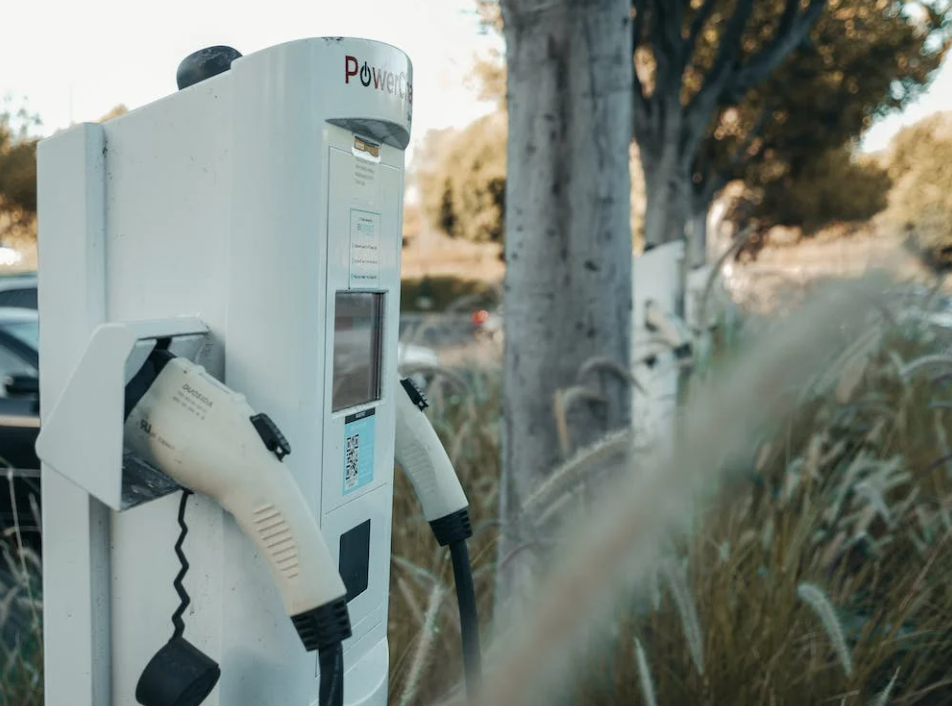
Charging infrastructure: One of the key challenges facing the EV industry is the lack of charging infrastructure, both in terms of the number of charging stations and the speed of charging. Without a comprehensive network of charging stations, many people are hesitant to adopt EVs because they are worried about being stranded without power. In order to address this issue, significant investment is needed to build out the charging infrastructure and make it easier for people to recharge their EVs.
Battery technology: The battery technology used in EVs is still in its early stages and there is much room for improvement. Advances in battery technology will be critical to the success of the EV market, as they will help to increase the range of EVs and reduce the cost of ownership. However, developing new battery technologies is a complex and expensive process, and it will take time for these technologies to be widely adopted.
Consumer education: Despite the many benefits of EVs, many people still have misconceptions about the technology, such as the idea that EVs are slow, have limited range, or are only suitable for short trips. It is important that the industry works to educate consumers about the capabilities of EVs, and dispel these common myths, in order to encourage more people to adopt the technology.
Government support: The growth of the EV market is being driven by government support in many countries, through measures such as tax incentives, subsidies, and investment in charging infrastructure. However, this support is not consistent across all countries, and some countries may not provide the same level of support as others. This lack of consistency can create a fragmented market, which makes it difficult for manufacturers and suppliers to invest in the technology.
Recycling and disposal of batteries: One of the biggest environmental concerns associated with EVs is the disposal of used batteries. These batteries contain toxic materials, such as lead, and must be properly recycled in order to minimize their impact on the environment. Currently, there is a lack of recycling facilities for EVs, and this is a major challenge that needs to be addressed in order to ensure the sustainability of the industry.
Standardization: The EV industry is still relatively new, and there is a lack of standardization in terms of charging plugs, battery management systems, and other components. This lack of standardization can create confusion for consumers, and make it difficult for manufacturers to produce vehicles that are compatible with charging systems across different countries. Standardization is important for the growth of the industry, as it will make it easier for consumers to adopt the technology and for manufacturers to produce vehicles that are compatible with different charging systems.
Competition with fossil fuels: Despite the many benefits of EVs, they still face strong competition from traditional fossil fuel-powered vehicles. The fossil fuel industry has a long history, and there are many established players in the market that have a vested interest in maintaining the status quo. In order to overcome this competition, the EV industry needs to work together to promote the benefits of EVs and encourage more people to adopt the technology.
Battery supply chain: The supply chain for EV batteries is still in its early stages, and there are many challenges associated with sourcing the materials needed to produce these batteries, such as lithium and cobalt. In order to overcome these challenges, the industry needs to work together to build out the supply chain, and ensure that there is a steady supply of materials for battery production.
Charging infrastructure: One of the biggest challenges faced by the EV industry is the lack of charging infrastructure. Currently, there are not enough public charging stations to support widespread adoption of EVs, and this is a major barrier to consumer adoption. In order to overcome this challenge, the industry needs to work together to build out the charging infrastructure, and ensure that there are enough public charging stations to support the growth of the industry.
Consumer education: Another challenge faced by the EV industry is consumer education. Many people are still unfamiliar with EVs, and are not aware of the benefits and limitations of this technology. To overcome this challenge, the industry needs to work together to educate consumers about EVs, and provide them with the information they need to make informed decisions. This can include providing educational materials, hosting events, and working with dealerships to promote the technology.
Government support: Government support is crucial for the growth of the EV industry. Government policies, such as tax incentives, can help to encourage consumer adoption, and can help to build out the charging infrastructure and support research and development efforts. However, government policies can also be a barrier to the growth of the industry if they are not supportive, so it is important for the industry to work with government and other stakeholders to promote the benefits of EVs and encourage supportive policies.
The electric vehicle industry is still in its early stages and faces several significant challenges. From range anxiety and cost, to charging infrastructure and consumer education, the industry needs to work together to address these issues and create a supportive environment for the growth of the technology. With continued investment, innovation, and support, the EV industry has the potential to revolutionize the way we think about transportation, and create a cleaner, more sustainable future for all.
You can also watch video below for more information.