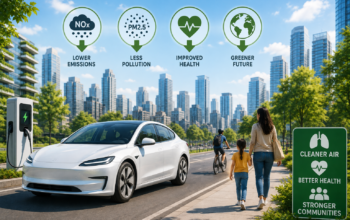
Electric vehicles (EVs) have the potential to significantly impact the economy in a number of ways. On the one hand, EVs are likely to bring many benefits to the economy, including reduced dependence on fossil fuels, improved air quality, and lower greenhouse gas emissions. On the other hand, there are also potential challenges associated with the widespread adoption of EVs, including the need for investment in charging infrastructure and the potential impact on the traditional automobile industry.
One of the key ways that EVs are likely to affect the economy is by reducing dependence on fossil fuels. Currently, the majority of the world’s transportation relies on gasoline and diesel fuel, which are derived from finite and often imported resources. By reducing the demand for these fuels, EVs could help to reduce the United States’ dependence on foreign oil and improve energy security. Additionally, by using electricity as a fuel source, EVs could help to reduce greenhouse gas emissions and improve air quality.
Another way that EVs are likely to impact the economy is by creating new jobs and industries. As the demand for EVs grows, there will likely be increased demand for electric vehicle components, charging infrastructure, and related services. Additionally, the production of EVs is likely to create new jobs in manufacturing, engineering, and research and development. These new jobs could help to boost local economies and provide new career opportunities for workers.
Despite the many benefits of EVs, there are also some potential challenges associated with their widespread adoption. For example, there will likely be a need for investment in charging infrastructure, including the installation of charging stations and the development of new technologies to improve the charging process. Additionally, the growth of the EV market could put pressure on the traditional automobile industry, which could be forced to adapt to changing market conditions or face declining sales.
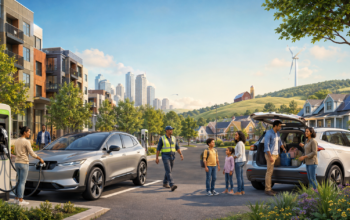
To address these challenges and maximize the benefits of EVs for the economy, it will be important for governments, businesses, and other stakeholders to work together. For example, governments could provide tax incentives and subsidies to support the growth of the EV market, while businesses could invest in research and development to improve the efficiency and performance of EVs. Additionally, the private sector could help to build out charging infrastructure and promote the widespread adoption of EVs.
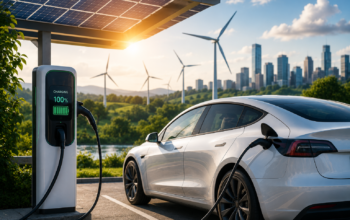
It is also worth noting that the widespread adoption of EVs could have a significant impact on the energy sector. As more people switch to EVs, there will likely be increased demand for electricity, which could put pressure on the existing power grid and drive investment in new energy sources and technologies. For example, there may be a need for additional investment in renewable energy sources, such as wind and solar power, to meet the increased demand for electricity.
Additionally, the growth of the EV market could also lead to new business models and opportunities in the energy sector. For example, companies may emerge to provide charging services, battery leasing or swapping services, or other innovative solutions that take advantage of the growing demand for EVs.
Another factor to consider is the impact that EVs may have on the price of gasoline and diesel fuel. As more people switch to EVs, the demand for gasoline and diesel fuel is likely to decrease, which could lead to lower prices at the pump. This, in turn, could have a ripple effect throughout the economy, affecting everything from the cost of transporting goods to the price of food.
Finally, it is worth considering the impact that EVs may have on the environment. While EVs are certainly more environmentally friendly than traditional gasoline and diesel vehicles, there are still concerns about the environmental impact of the production and disposal of batteries and other EV components. Additionally, the generation of electricity for EVs could also have environmental impacts, depending on the sources of the electricity used to power the vehicles.
As the global economy continues to evolve, the impact of electric vehicles (EVs) on various industries and the overall economy will likely become increasingly significant. Here are a few areas that may be affected by the growth of the EV market:
Automotive industry
The production and sale of EVs is likely to become an increasingly important part of the automotive industry in the coming years. As demand for EVs grows, companies that specialize in the production of EVs and EV components may see increased revenue and growth. On the other hand, traditional automakers that are slow to adopt EVs may struggle to remain competitive in a rapidly changing market.
Employment
The growth of the EV market is likely to create new job opportunities in areas such as manufacturing, research and development, and charging infrastructure. As the demand for EVs grows, so too will the demand for workers with the skills and expertise needed to support the EV industry.
Energy sector
The widespread adoption of EVs will likely have a significant impact on the energy sector. As more people switch to EVs, there will likely be increased demand for electricity, which could put pressure on the existing power grid and drive investment in new energy sources and technologies.
Government policies
Governments around the world are taking steps to promote the growth of the EV market, through measures such as tax incentives, subsidies, and investment in charging infrastructure. These policies will likely play a key role in shaping the growth of the EV market in the coming years.
Consumer behavior
The growth of the EV market will likely be driven by consumer demand. As more people become aware of the benefits of EVs, such as lower operating costs, improved driving range, and reduced environmental impact, the demand for EVs is likely to grow.
In conclusion, EVs have the potential to significantly impact the economy in a number of ways, both positively and negatively. While there are certainly challenges associated with the widespread adoption of EVs, there are also many benefits, including reduced dependence on fossil fuels, improved air quality, and increased job opportunities. To maximize the benefits of EVs and minimize the challenges, it will be important for governments, businesses, and other stakeholders to work together and invest in the future of electric transportation.