The increasing popularity of electric vehicles (EVs) is having a significant impact on society, and is transforming the way we think about transportation. The transition to EVs is driven by a number of factors, including environmental concerns, economic benefits, and technological advancements. In this article, we will explore the ways in which EVs are affecting society and the impact they are likely to have in the future.
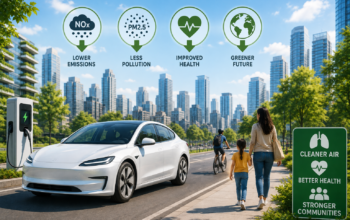
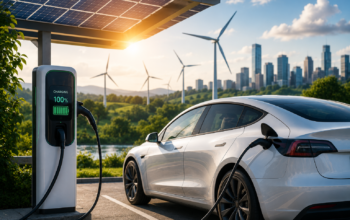
One of the most significant impacts of EVs is on the environment. Electric cars produce significantly less greenhouse gas emissions than traditional internal combustion engine vehicles, and this is helping to reduce the impact of transportation on the environment. For example, EVs produce zero tailpipe emissions, which means they do not emit harmful pollutants into the air. Additionally, EVs can be powered by renewable energy sources, such as solar or wind power, which further reduces their environmental impact.
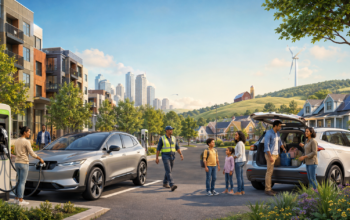
Another important impact of EVs is on the economy. The growth of the EV market is creating new jobs in the manufacturing, sales, and servicing of EVs. Additionally, the reduced cost of ownership associated with EVs is helping to save drivers money on fuel and maintenance costs, which can be reinvested in other areas of the economy. Furthermore, the growth of the EV market is also driving the development of new charging infrastructure, which is creating new business opportunities for energy companies and other businesses.
In addition to these economic benefits, EVs are also having a positive impact on society in other ways. For example, EVs are quieter than traditional internal combustion engine vehicles, which can help to reduce noise pollution in urban areas. Additionally, EVs are more efficient than traditional vehicles, which can help to reduce congestion on the roads and make transportation faster and more convenient for drivers.
Another important impact of EVs is on the energy system. The growth of the EV market is driving the development of new charging infrastructure, which is creating new demand for electricity. This is leading to the growth of renewable energy sources, such as solar and wind power, which are becoming increasingly important in meeting this new demand. Additionally, the growth of the EV market is also driving the development of new battery technology, which is making EVs more efficient and increasing their range.
Despite these benefits, there are still challenges associated with the growth of the EV market. For example, the cost of batteries is still a major barrier to widespread adoption, and there is a need for continued investment in battery technology to make EVs more affordable for drivers. Additionally, there are concerns about the availability of charging infrastructure, particularly in rural and remote areas, which can make it difficult for drivers to find a place to recharge their vehicle.
The growth of the EV market is also affecting the automotive industry, which is having to adapt to meet the changing needs of drivers. For example, many automakers are investing in the development of new EVs, and are phasing out traditional internal combustion engine vehicles. Additionally, the growth of the EV market is also driving the development of new charging infrastructure, which is changing the way we think about energy and transportation.
Additionally, the increased use of EVs is also affecting the job market. For example, as the number of EVs on the road grows, there is a growing demand for workers with the skills to manufacture, maintain, and repair them. Furthermore, the growth of the EV market is also creating new jobs in the development and installation of charging infrastructure, as well as in the production of batteries and other components.
However, the transition to EVs is also affecting traditional automakers and the workers they employ. For example, as the demand for traditional internal combustion engine vehicles declines, there is a growing need for workers in these companies to be retrained for new roles in the EV market. Additionally, the growth of the EV market is also affecting the supply chain for traditional automakers, as they are having to adapt to new technologies and materials.
Another important impact of EVs is on public health. The reduced emissions associated with EVs can help to improve air quality, particularly in urban areas where air pollution is a major concern. Additionally, the quieter operation of EVs can help to reduce noise pollution, which is a major contributor to stress and other health problems. Furthermore, the increased efficiency of EVs can also help to reduce traffic congestion, which can have a positive impact on mental and physical health by reducing stress and improving air quality.
Moreover, the rise of EVs is also changing the way we think about transportation. For example, the increased range and improved charging infrastructure associated with EVs is making it easier for people to travel longer distances, and to travel more frequently. This is leading to a more mobile society, and is making it easier for people to explore new places and to have new experiences.
In addition, the increased use of EVs is also affecting the automotive industry as a whole. For example, as the demand for EVs grows, traditional automakers are having to adapt to new technologies and materials in order to compete in this growing market. This is leading to increased innovation and investment in the automotive sector, and is helping to drive the development of new technologies and products.
Finally, the growth of the EV market is also having an impact on the energy system. The increased demand for electricity associated with EVs is driving the growth of renewable energy sources, such as wind and solar power, which are becoming increasingly important in meeting this new demand. Additionally, the growth of the EV market is also driving the development of new battery technology, which is making EVs more efficient and increasing their range. This is helping to create a more sustainable energy system, and is reducing our dependence on fossil fuels.
The growth of the EV market is having a significant impact on society, and is transforming the way we think about transportation. Whether for personal use or commercial applications, EVs are an important part of the solution to reducing greenhouse gas emissions, addressing climate change, and creating a more sustainable and cost-effective transportation system. By investing in EVs and supporting the growth of the EV market, we can help to create a better future for ourselves and for generations to come.