Electric vehicles (EVs) have come a long way in the past decade and are poised to play a significant role in the future of transportation. As the technology continues to evolve and improve, there are several trends in the EV industry that are worth paying attention to.
Increased Range and Charging Capabilities
One of the biggest challenges facing the EV industry is the limited range of vehicles and the lack of charging infrastructure. However, this is rapidly changing as vehicle manufacturers are producing EVs with longer ranges and faster charging capabilities. In the near future, it is expected that EVs will have ranges that are comparable to traditional gasoline-powered vehicles and that charging times will be reduced to just a few minutes. This will help to make EVs a more viable alternative for long-distance travel and increase their adoption.
Increased Adoption of Renewable Energy Sources
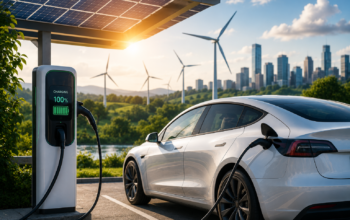
Another trend in the EV industry is the increased use of renewable energy sources for charging vehicles. This includes the use of solar panels and wind turbines to generate electricity for charging stations. This trend is expected to continue as renewable energy becomes more affordable and more widely available. Additionally, many countries are setting ambitious renewable energy targets, which will further drive the growth of renewable energy sources.
The Emergence of Autonomous Vehicles
Autonomous vehicles are poised to revolutionize the transportation industry and this trend is expected to extend to EVs. Autonomous EVs have the potential to increase safety and efficiency on the road, as well as reduce the cost of transportation for consumers. As the technology continues to improve, it is expected that more and more EVs will be equipped with autonomous capabilities, further increasing their appeal to consumers.
The Growth of Car-Sharing and Ride-Hailing Services
The growth of car-sharing and ride-hailing services is another trend that is expected to continue in the EV industry. These services offer consumers an alternative to traditional car ownership, which can be expensive and time-consuming. By using EVs, these services can reduce emissions and improve the sustainability of transportation. Additionally, as the technology improves, it is expected that more and more car-sharing and ride-hailing services will be operated by autonomous EVs, further increasing their efficiency and convenience.
The Expansion of Charging Infrastructure
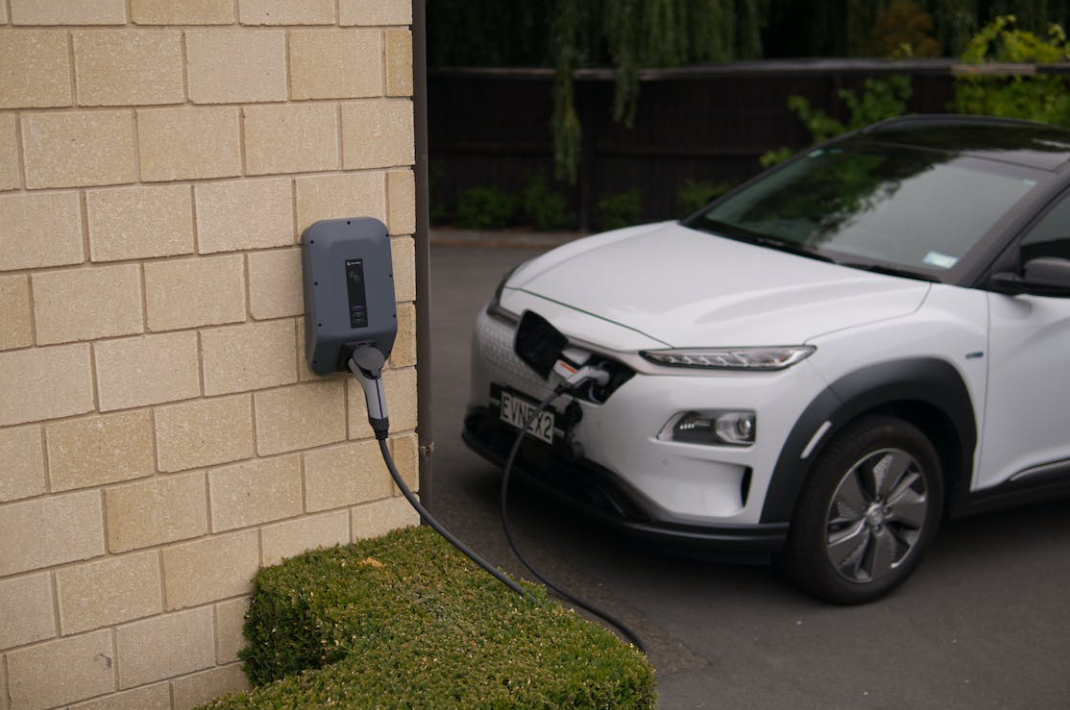
Finally, the expansion of charging infrastructure is another trend that is expected to continue in the EV industry. As more and more EVs are sold, there will be a greater demand for charging stations, both in urban and rural areas. Governments and private companies are investing in charging infrastructure to support the growth of the EV industry and to make EVs a more viable alternative for consumers.
As the demand for more environmentally friendly transportation options continues to grow, the electric vehicle (EV) industry is evolving at a rapid pace. Here are some of the future trends in the electric vehicle industry:
Increase in Range: The range of EVs is expected to increase significantly in the coming years. This will make long-distance travel in an electric car much more feasible and convenient for drivers.
Fast Charging: Fast charging technology will continue to improve, making it easier and quicker to charge electric vehicles. This will reduce the time drivers need to spend waiting for their car to charge, making EVs a more attractive option for daily use.
Autonomous Driving: The development of autonomous driving technology will have a significant impact on the EV industry. With self-driving EVs, the need for human drivers will be eliminated, and this will increase the efficiency and safety of electric vehicles.
Battery Technology: Battery technology is a crucial aspect of the electric vehicle industry, and improvements in this area will make EVs more affordable and accessible to consumers. New battery technologies, such as solid-state batteries, will increase the range and efficiency of EVs, making them even more attractive to consumers.
Connected Cars: Connected car technology will become increasingly prevalent in EVs, providing drivers with access to real-time information about their car’s performance and battery life. This will help drivers plan their trips more efficiently and make the most of their electric vehicles.
Government Support: Governments around the world are increasingly supportive of EVs, offering incentives and subsidies to encourage their adoption. This trend is expected to continue, making EVs an even more attractive option for consumers.
Increased Production: As demand for EVs continues to grow, production is expected to increase significantly in the coming years. This will drive down the cost of EVs and make them more accessible to a wider range of consumers.
Increased Competition: The electric vehicle industry is becoming increasingly competitive, with more and more automakers entering the market. This will drive innovation and lead to the development of new and exciting electric vehicles.
Recycling and Reuse of Batteries: With the increasing number of EVs on the road, there is a growing concern about the disposal of used batteries. The industry is working to find solutions for the recycling and reuse of batteries to minimize their impact on the environment. Some companies are exploring the possibility of repurposing used batteries for stationary energy storage systems, extending their useful life and reducing waste.
Integration with Renewable Energy Sources: Electric vehicles are becoming more closely integrated with renewable energy sources such as solar and wind power. This will help to reduce the carbon footprint of EVs, making them an even more environmentally friendly option.
Expansion into New Markets: The electric vehicle market is expected to expand into new markets, including developing countries where there is growing demand for sustainable transportation options. This will drive the growth of the industry and increase the availability of EVs to consumers around the world.
The EV industry is rapidly evolving and there are several trends that are expected to shape its future. These include the increased range and charging capabilities of EVs, the increased adoption of renewable energy sources, the emergence of autonomous vehicles, the growth of car-sharing and ride-hailing services, and the expansion of charging infrastructure. As the technology continues to improve and the demand for EVs continues to grow, it is expected that these trends will further drive the growth of the industry and help to make EVs a more viable alternative for consumers.