The transition to electric vehicles (EVs) presents both challenges and opportunities for developing countries in terms of infrastructure development. While electric vehicles offer numerous benefits, including reduced emissions and lower operational costs, the lack of adequate charging infrastructure in many developing nations poses a significant hurdle. In this article, we will explore the challenges and opportunities of electric vehicle infrastructure in developing countries and discuss potential solutions for a successful transition.
Challenges
- Limited Charging Infrastructure: One of the primary challenges faced by developing countries is the lack of a robust charging infrastructure. Unlike traditional gasoline stations, charging stations for electric vehicles require a different infrastructure setup. Establishing an extensive and reliable charging network that covers urban areas, highways, and remote regions can be a complex and expensive endeavor.
- Grid Capacity and Stability: Electric vehicles draw power from the electricity grid, which may pose challenges in developing countries with limited grid capacity and stability. The sudden influx of EVs charging simultaneously could strain the existing infrastructure and potentially lead to power outages or voltage fluctuations. Upgrading the grid and implementing smart charging solutions can help manage the increased demand and ensure grid stability.
- Affordability and Accessibility: Electric vehicles and charging infrastructure can be costly, making them less accessible to a significant portion of the population in developing countries. The high upfront cost of electric vehicles, coupled with limited financial incentives or subsidies, can hinder adoption. Similarly, the cost of setting up charging infrastructure, especially in remote areas, may be prohibitive. Developing affordable and innovative financing options, along with government incentives, can help overcome these affordability barriers.
- Technical Expertise and Training: Building and maintaining electric vehicle infrastructure requires specialized technical expertise. Developing countries may face a shortage of skilled professionals with knowledge of EV charging systems, installation, and maintenance. Providing training programs and capacity-building initiatives to develop a local workforce with the necessary skills can address this challenge.
Opportunities
- Leapfrogging to Sustainable Transportation: Developing countries have an opportunity to leapfrog the traditional fossil fuel-based transportation systems and directly adopt sustainable electric mobility. By embracing electric vehicles and building the necessary infrastructure, they can avoid the environmental pitfalls associated with widespread use of internal combustion engine vehicles and move towards a greener transportation future.
- Local Economic Development: Electric vehicle infrastructure development can spur local economic growth in developing countries. Establishing charging stations and related services can create new job opportunities, attract investment, and stimulate the growth of a domestic electric vehicle industry. This can contribute to technology transfer, innovation, and the development of a skilled workforce.
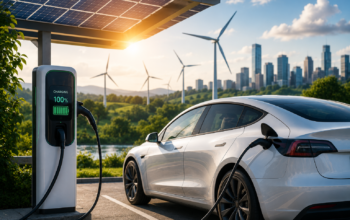
- Integration with Renewable Energy: Many developing countries have significant renewable energy resources, such as solar and wind power. Electric vehicles can be integrated with these renewable energy sources, creating synergies between clean transportation and sustainable energy generation. By coupling the growth of EV infrastructure with renewable energy deployment, developing countries can establish a more sustainable and resilient energy ecosystem.
- Public-Private Partnerships: Developing countries can leverage public-private partnerships to overcome infrastructure challenges. Collaborations between governments, electric utility companies, technology providers, and other stakeholders can facilitate the development of electric vehicle infrastructure. Public-private partnerships can help share the financial burden, mobilize resources, and combine expertise to create a comprehensive and well-functioning charging network.
Solutions and Recommendations
- Prioritize Infrastructure Planning: Developing countries should develop long-term infrastructure plans that incorporate electric vehicle charging infrastructure. This includes identifying strategic locations for charging stations, considering different charging technologies (e.g., fast-charging, slow-charging), and anticipating future demand patterns. Integrating urban planning and transportation policies can ensure a systematic and efficient deployment of charging infrastructure.
- Implement Supportive Policies and Incentives: Governments should implement policies and incentives to accelerate the adoption of electric vehicles and facilitate infrastructure development. This can include financial incentives such as tax exemptions, grants, or subsidies for electric vehicle purchases and charging infrastructure installations. Clear regulations and standards for charging infrastructure deployment, grid integration, and technical specifications can provide a supportive framework for market growth.
- Foster International Cooperation: Developing countries can benefit from knowledge sharing and international cooperation in electric vehicle infrastructure development. Collaboration with more advanced countries and international organizations can provide valuable expertise, technical assistance, and access to funding opportunities. Sharing best practices, lessons learned, and successful case studies can help accelerate progress and avoid unnecessary challenges.
- Utilize Innovative Solutions: Developing countries can leverage innovative solutions to overcome infrastructure challenges. This includes exploring alternative charging technologies such as solar-powered charging stations or mobile charging units that can be deployed in remote areas. Additionally, adopting smart charging systems and implementing demand-response mechanisms can optimize grid integration and manage electricity demand effectively.
Developing countries face both challenges and opportunities in the development of electric vehicle infrastructure. While limited charging infrastructure, grid capacity constraints, affordability issues, and technical expertise gaps pose significant obstacles, the transition to electric mobility also offers opportunities for sustainable development, economic growth, and integration with renewable energy sources. By implementing supportive policies, fostering public-private partnerships, and prioritizing infrastructure planning, developing countries can overcome these challenges and unlock the environmental, economic, and social benefits of electric vehicle adoption. A successful transition to electric vehicles requires a comprehensive approach that addresses infrastructure, policy, and capacity-building aspects to create a sustainable and inclusive electric mobility ecosystem.