Electric vehicles (EVs) have gained significant traction in the consumer market, but their potential extends far beyond personal transportation. In recent years, there has been a growing trend of adopting electric vehicles in the commercial sector, particularly in the areas of buses, delivery trucks, and other fleet vehicles. In this article, we will explore the benefits, challenges, and future prospects of electric vehicles in the commercial sector.
Benefits of Electric Vehicles in the Commercial Sector
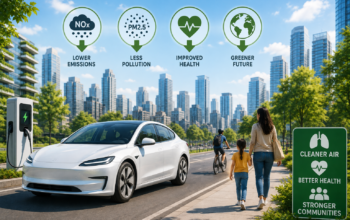
- Environmental Impact: One of the primary drivers for adopting electric vehicles in the commercial sector is the environmental benefit. Commercial vehicles, such as buses and delivery trucks, contribute significantly to air pollution and greenhouse gas emissions. By transitioning to electric vehicles, businesses can reduce their carbon footprint and improve local air quality, leading to a more sustainable and eco-friendly operation.
- Cost Savings: Electric vehicles offer long-term cost savings for commercial fleet operators. Although the upfront purchase cost of electric vehicles may be higher than their conventional counterparts, the operational costs are considerably lower. Electric vehicles have fewer moving parts, require less maintenance, and have lower fuel costs due to the cheaper price of electricity compared to gasoline or diesel. Additionally, incentives and grants provided by governments further help offset the initial investment.
- Energy Efficiency: Electric vehicles are inherently more energy-efficient compared to internal combustion engine vehicles. Electric motors convert a higher percentage of energy from the battery to power the vehicle, resulting in better energy utilization. This efficiency translates into longer driving ranges and reduced energy consumption per mile, making electric vehicles an attractive option for commercial applications that involve frequent and long-distance travel.
- Noise Reduction: Another advantage of electric vehicles in the commercial sector is reduced noise pollution. Electric motors operate quietly, minimizing noise emissions. This is particularly beneficial for applications like urban buses and delivery trucks, where noise reduction contributes to a quieter and more pleasant living environment for residents and improves working conditions for drivers.
Challenges and Considerations
While electric vehicles offer numerous benefits, there are challenges and considerations to address when integrating them into the commercial sector:
- Charging Infrastructure: Establishing a robust charging infrastructure is essential for widespread adoption of electric commercial vehicles. Commercial fleets require reliable and convenient charging solutions to ensure uninterrupted operation. Companies and governments need to collaborate to expand the charging network, including fast-charging stations along key routes and dedicated charging facilities at depots or distribution centers.
- Range and Payload Capacity: Commercial vehicles often have specific range and payload requirements. While battery technology has improved, electric vehicles may still face limitations in terms of range and payload capacity compared to conventional vehicles. Fleet operators need to assess their specific operational needs and ensure that the available electric vehicles can meet those requirements.
- Charging Time: Charging time is an important consideration for commercial fleets. The time taken to charge an electric vehicle can impact operational efficiency. Fast-charging technologies are evolving to reduce charging times, but it is still crucial for businesses to plan their routes and schedules to accommodate charging requirements.
- Vehicle Availability and Options: The commercial electric vehicle market is expanding, but the variety of models and options available may still be limited compared to traditional vehicles. Fleet operators need to assess the suitability of available electric vehicle models for their specific needs, including factors such as size, payload capacity, and charging capabilities.
Future Prospects
The future of electric vehicles in the commercial sector is promising. With continued advancements in battery technology, the range and payload capacity of electric vehicles will improve, making them viable for a wider range of commercial applications. Additionally, the falling costs of batteries and the increasing number of governments and organizations promoting sustainable transportation will further drive the adoption of electric commercial vehicles.
In recent years, several major cities around the world have set ambitious goals to electrify their public transportation systems, such as replacing diesel buses with electric ones. This transition will not only contribute to reduced emissions but also serve as a catalyst for further innovation and investment in electric vehicle technology.
Furthermore, the development of autonomous driving technology holds great potential for electric commercial vehicles. Self-driving electric buses and trucks can offer increased efficiency, improved traffic flow, and reduced labor costs. As autonomous technology continues to evolve, it will likely complement the adoption of electric vehicles in the commercial sector, paving the way for a more sustainable and efficient transportation ecosystem.
Electric vehicles are making inroads in the commercial sector, providing numerous benefits to businesses and the environment. The advantages of electric vehicles, including environmental impact reduction, cost savings, energy efficiency, and noise reduction, make them an attractive option for commercial fleet operators. However, challenges related to charging infrastructure, range, payload capacity, and vehicle availability need to be addressed for wider adoption. The future prospects for electric commercial vehicles are promising, driven by advancements in battery technology, supportive government policies, and the potential of autonomous driving technology. As businesses recognize the long-term benefits and embrace the transition to electric vehicles, we can expect to see a significant transformation in the commercial transportation landscape, contributing to a more sustainable and efficient future.