Consumer adoption of electric vehicles (EVs) has been steadily increasing in recent years, driven by a combination of factors such as environmental concerns, technological advancements, government incentives, and changing consumer preferences. In this article, we will explore the trends, barriers, and motivations behind the consumer adoption of electric vehicles.
Trends in Consumer Adoption
One of the most significant trends in consumer adoption of electric vehicles is the overall growth of the market. According to the International Energy Agency, global electric vehicle sales reached a record high in 2020, despite the challenges posed by the COVID-19 pandemic. This trend is expected to continue as more automakers introduce new EV models, battery technology improves, and charging infrastructure expands.
Another trend is the increasing diversity of electric vehicle options. Initially, EVs were primarily limited to compact cars with limited range. However, there has been a surge in the availability of electric SUVs, crossovers, and even electric trucks, catering to a wider range of consumer preferences and needs.
Barriers to Adoption
Despite the growing popularity of electric vehicles, there are still several barriers that hinder widespread adoption. One of the main barriers is the higher upfront cost compared to traditional internal combustion engine vehicles. Electric vehicles often have a higher purchase price, although this gap is narrowing as battery prices continue to decline.
Range anxiety, or the fear of running out of battery charge, is another significant barrier. Although the average range of EVs has been increasing, some consumers still perceive limited range as a major drawback. However, advancements in battery technology and the expansion of charging infrastructure are gradually alleviating this concern.
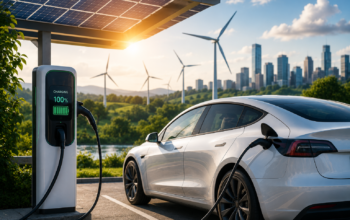
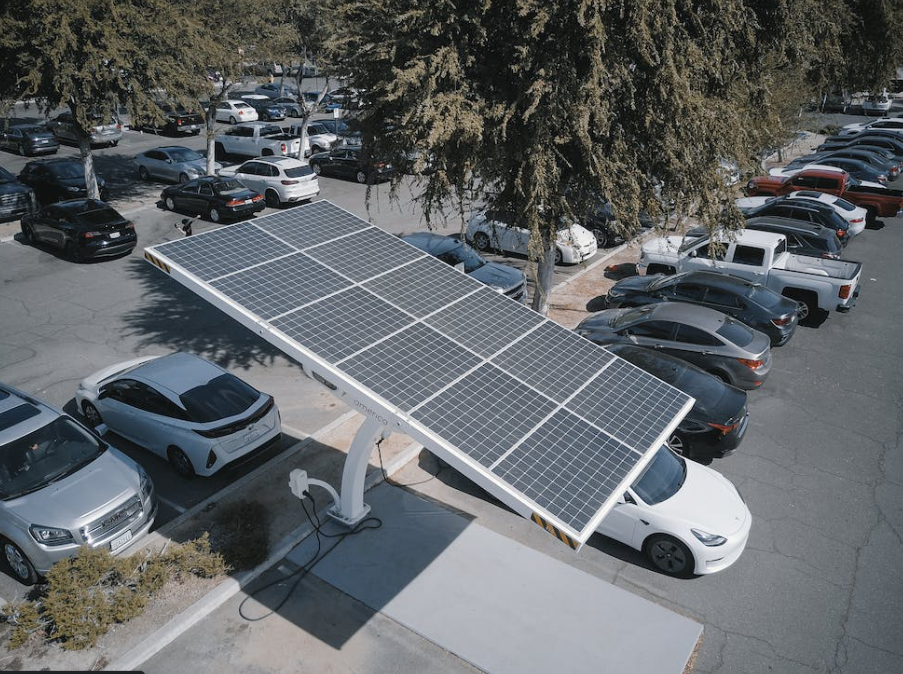
Charging infrastructure is a crucial barrier to adoption. While charging stations are becoming more prevalent, especially in urban areas, the availability and accessibility of charging points still lag behind traditional refueling options. Consumers need a reliable and convenient charging network to feel confident in switching to electric vehicles, especially for long-distance travel.
Motivations for Adoption
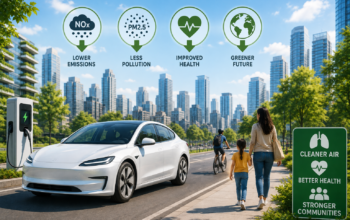
Environmental concerns and the desire to reduce greenhouse gas emissions are key motivations for many consumers choosing electric vehicles. EVs produce zero tailpipe emissions, offering a cleaner and more sustainable transportation option. As awareness of climate change and air pollution increases, more consumers are considering electric vehicles as a way to contribute to a greener future.
Government incentives and policies play a significant role in motivating consumers to adopt electric vehicles. Many countries and regions provide financial incentives, tax credits, and subsidies to promote EV adoption. These incentives help offset the higher upfront costs and make electric vehicles more affordable and attractive to consumers.
The technological advancements and improvements in EV performance have also motivated consumers to switch to electric vehicles. Modern electric vehicles offer impressive acceleration, smooth driving experience, and lower maintenance requirements compared to internal combustion engine vehicles. Additionally, features like regenerative braking, advanced driver-assistance systems, and connectivity options enhance the overall appeal of electric vehicles.
Consumer preferences for advanced technology and innovation are another motivation. Electric vehicles are often seen as a symbol of modernity and progress, attracting consumers who embrace new technologies and enjoy the futuristic aspects of EVs. The growing popularity of electric vehicles also contributes to a sense of being part of a larger movement towards sustainability and a cleaner future.
Consumer adoption of electric vehicles is experiencing a significant upward trajectory, driven by environmental concerns, technological advancements, government incentives, and shifting consumer preferences. While barriers such as higher upfront costs, range anxiety, and charging infrastructure challenges still exist, they are gradually being addressed. As the market continues to expand and EV options become more diverse and affordable, consumer adoption of electric vehicles is poised to continue its upward trend, transforming the automotive industry and contributing to a more sustainable transportation future.