The environmental impact of transportation has become a significant concern in recent years, with the rise of greenhouse gas emissions and air pollution. Electric vehicles (EVs) have emerged as a promising solution to reduce the environmental footprint of transportation. In this article, we will explore the environmental impact of electric vehicles compared to internal combustion engine (ICE) vehicles, focusing on greenhouse gas emissions, air pollution, and resource consumption.
Greenhouse Gas Emissions
One of the most significant advantages of electric vehicles is their lower greenhouse gas emissions compared to ICE vehicles. While ICE vehicles burn fossil fuels, such as gasoline or diesel, to power their engines, electric vehicles utilize electricity from the grid or renewable sources.
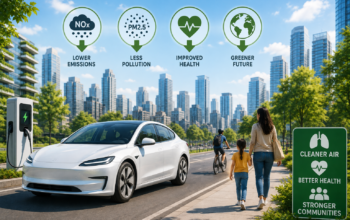
- Direct Emissions: Electric vehicles produce zero tailpipe emissions since they do not have exhaust systems. This eliminates carbon dioxide (CO2), nitrogen oxides (NOx), and other harmful pollutants that contribute to air pollution and climate change. In contrast, ICE vehicles emit CO2 and other pollutants directly into the atmosphere.
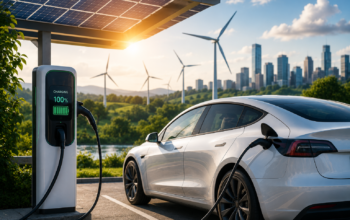
- Indirect Emissions: While electric vehicles produce no tailpipe emissions, the electricity used to charge them can generate emissions depending on the energy source. However, the overall emissions are lower compared to ICE vehicles. As the electricity grid becomes cleaner and more renewable sources are integrated, the indirect emissions associated with charging EVs continue to decrease.
Numerous studies have shown that even when considering the emissions from electricity generation, electric vehicles have lower lifetime emissions compared to ICE vehicles. This is primarily due to the higher efficiency of electric motors and the gradual decarbonization of the electricity grid.
Air Pollution
Electric vehicles also contribute to a reduction in air pollution, resulting in improved air quality and public health benefits. Unlike ICE vehicles, which emit pollutants during combustion, EVs produce no tailpipe emissions that contribute to local air pollution.
- Particulate Matter: ICE vehicles emit particulate matter (PM) during combustion, which includes fine particles that can penetrate deep into the lungs and cause respiratory and cardiovascular problems. Electric vehicles, on the other hand, have no tailpipe emissions, thus reducing the release of harmful particulate matter.
- Nitrogen Oxides: ICE vehicles are a significant source of nitrogen oxide (NOx) emissions, which contribute to the formation of smog and air pollution. Electric vehicles do not produce NOx emissions, leading to cleaner air and reduced health risks associated with poor air quality.
Resource Consumption
The production and operation of vehicles consume resources, and electric vehicles have both advantages and challenges in this regard.
- Raw Materials: Electric vehicle production requires specific raw materials, such as lithium, cobalt, and nickel, for battery manufacturing. While the extraction and processing of these materials can have environmental impacts, efforts are being made to improve sustainability in the supply chain and increase recycling rates to minimize resource depletion.
- Energy Efficiency: Electric vehicles are more energy-efficient than ICE vehicles. While the overall energy consumption depends on various factors, such as vehicle type, driving conditions, and charging efficiency, electric vehicles typically have higher energy efficiency due to the direct conversion of electricity to propulsion. This efficiency translates into lower resource consumption and reduced overall energy demand.
- Lifetime Environmental Impact: Evaluating the lifetime environmental impact of vehicles involves considering factors such as manufacturing, operation, and end-of-life disposal. Life cycle assessments (LCAs) have shown that electric vehicles have lower lifetime environmental impacts compared to ICE vehicles, primarily due to the lower emissions and energy efficiency during operation.
Electric vehicles offer a greener and more sustainable alternative to internal combustion engine vehicles. The environmental impact of electric vehicles is significantly lower in terms of greenhouse gas emissions, air pollution, and resource consumption. By eliminating tailpipe emissions, electric vehicles contribute to improved air quality and public health. While there are challenges associated with resource extraction for battery production, efforts are being made to enhance sustainability in the supply chain and improve recycling practices.
As the electricity grid becomes cleaner and more renewable sources are integrated, the environmental advantages of electric vehicles continue to grow. However, it is important to note that the full environmental benefits of electric vehicles can only be realized when combined with renewable energy generation and sustainable manufacturing practices.
By transitioning to electric vehicles, we can mitigate the environmental impacts of transportation, reduce greenhouse gas emissions, and work towards a more sustainable and greener future. Policymakers, industry stakeholders, and consumers play crucial roles in accelerating the adoption of electric vehicles and supporting the necessary infrastructure and policies to further enhance their environmental benefits.