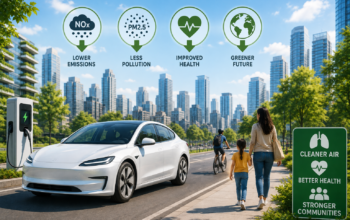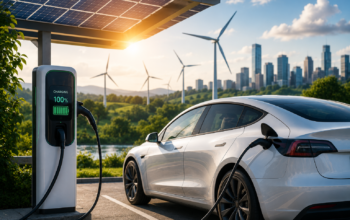
The rise of electric vehicles (EVs) has the potential to create new jobs and industries, contributing to economic growth and a sustainable future. In this article, we will explore the potential of EVs to create new job opportunities and industries.
One of the main areas where EVs can create new jobs is in the manufacturing sector. EVs require a different manufacturing process than traditional gas-powered vehicles, requiring specialized training and expertise. This includes the production of electric motors, batteries, and other components that are unique to EVs. According to a report by the International Labour Organization, the transition to electric vehicles is expected to create up to 10 million new jobs by 2030, mainly in the manufacturing and service sectors.
In addition to creating new jobs in manufacturing, the rise of EVs is also expected to create new job opportunities in the renewable energy sector. The increased demand for EVs will lead to a higher demand for renewable energy sources such as wind and solar, which can provide the necessary energy to power these vehicles. This will create new jobs in the production, installation, and maintenance of renewable energy infrastructure.
The deployment of charging infrastructure for EVs is also expected to create new jobs in the service sector. The installation, operation, and maintenance of EV charging stations will require specialized skills and expertise, creating new job opportunities for electricians, engineers, and technicians.
Moreover, the rise of EVs is also expected to create new industries. One of the most promising industries is the development of battery technology. As the demand for EVs increases, so does the demand for more efficient and durable batteries. This will create new opportunities for research and development, as well as the production and recycling of batteries.
The demand for EVs is also expected to create new opportunities in the automotive industry. As traditional automakers shift their focus towards EVs, they will require new skills and expertise in the development and production of EVs. This will create new job opportunities in areas such as design, engineering, and supply chain management.
Furthermore, the rise of EVs is expected to create new opportunities in the software and technology industries. As EVs become more connected and autonomous, they will require sophisticated software and communication technologies. This will create new job opportunities in software development, data analysis, and cybersecurity.
In addition to creating new jobs and industries, the rise of EVs is also expected to contribute to economic growth. According to a report by the International Energy Agency, the shift towards electric vehicles could boost global GDP by $19 trillion by 2050. This is due to the increased investment in infrastructure, research and development, and the production and sale of EVs and related technologies.
Moreover, the transition to EVs is also expected to reduce the dependence on fossil fuels, which can contribute to energy security and reduce the impact of volatile oil prices on the economy. This can also contribute to a more stable and sustainable economic growth in the long term.
However, the transition to EVs is not without its challenges. One of the main challenges is the need for re-skilling and up-skilling of the workforce. The transition to EVs requires new skills and expertise, which may not be readily available in the current workforce. This requires investment in training and education to ensure that the workforce is equipped with the necessary skills to take advantage of the opportunities created by the transition to EVs.
Moreover, the transition to EVs may also result in job losses in the traditional automotive industry, which may not be able to adapt to the new technology and demand. This requires a comprehensive approach to managing the transition, including support for affected workers and communities.
The rise of EVs has the potential to create new jobs and industries, contributing to economic growth and a sustainable future. The transition to EVs will require investment in training and education, as well as a comprehensive approach to managing the transition. However, the potential benefits of the transition to EVs are significant, including the creation of up to 10 million new jobs by 2030, the development of new industries, and a boost to global GDP by $19 trillion by 2050.