Battery technology has been a critical factor in the development and adoption of electric vehicles (EVs). The performance and durability of EV batteries have a direct impact on the range, charging time, and overall usability of EVs. As the demand for EVs continues to rise, battery technology has become an area of intense research and development. In this article, we will explore the recent advances in battery chemistry, durability, and range.
Battery Chemistry
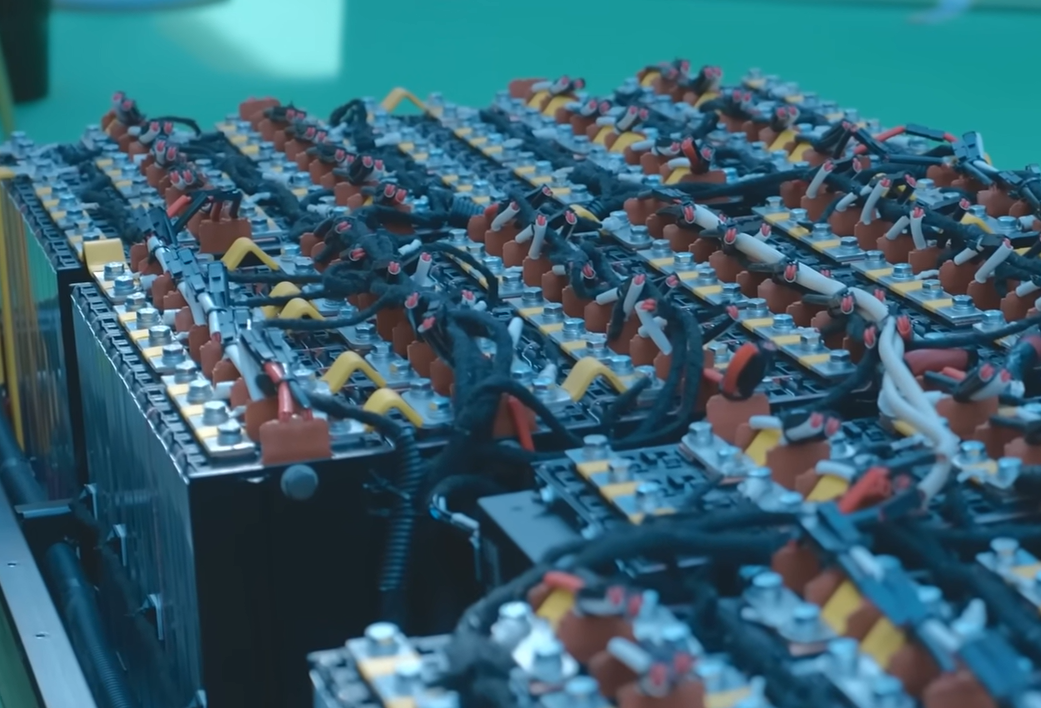
The chemical composition of a battery is critical to its performance, durability, and cost. The most commonly used battery chemistry for EVs is lithium-ion (Li-ion). Li-ion batteries have a high energy density, which allows for a longer range and faster charging times. However, they also have some drawbacks, such as limited cycle life and a tendency to overheat.
Recent advances in battery chemistry have focused on addressing these issues. One promising development is the use of solid-state batteries. Solid-state batteries use a solid electrolyte instead of a liquid electrolyte, which can improve the safety and stability of the battery. Solid-state batteries also have the potential for higher energy density, which could lead to longer ranges and faster charging times.
Another promising development is the use of lithium-sulfur (Li-S) batteries. Li-S batteries have a higher theoretical energy density than Li-ion batteries, which could lead to significantly longer ranges. They are also cheaper and more environmentally friendly to produce. However, Li-S batteries are still in the early stages of development, and there are several technical challenges that must be overcome before they can be used in commercial EVs.
Durability
The durability of a battery is essential for its long-term performance and cost-effectiveness. A battery that degrades quickly will have a shorter lifespan and will need to be replaced more often, which can increase the overall cost of owning an EV.
Recent advances in battery durability have focused on improving the electrode and electrolyte materials. One promising development is the use of silicon anodes. Silicon has a higher energy density than graphite, which is commonly used in Li-ion batteries. However, silicon anodes can also expand and contract during charging and discharging, which can cause cracking and reduce the lifespan of the battery. Researchers have been working on developing new electrode designs and electrolytes that can better accommodate the expansion and contraction of silicon anodes.
Another area of research is the use of artificial intelligence (AI) to improve battery management. AI can be used to optimize charging and discharging cycles, which can reduce wear and tear on the battery and extend its lifespan. AI can also be used to predict when a battery is likely to fail, allowing for proactive maintenance and replacement.
Range
The range of an EV is a critical factor in its usability and adoption. A longer range allows for more extended trips and reduces the need for frequent charging. The range of an EV is primarily determined by the energy density of the battery and the efficiency of the drivetrain.
Recent advances in battery technology have led to an increase in energy density, which has resulted in longer ranges. For example, Tesla’s Model S Long Range has a range of over 400 miles on a single charge, which is a significant improvement over early EV models.
Improvements in the efficiency of the drivetrain have also contributed to longer ranges. The use of lighter materials and more aerodynamic designs can reduce the amount of energy needed to move the vehicle, which can improve range. In addition, advances in motor technology have led to more efficient drivetrains, which can also improve range.
Conclusion
Battery technology is a critical factor in the development and adoption of electric vehicles. Recent advances in battery chemistry, durability, and range have led to significant improvements in the performance and usability of EVs. Solid-state batteries, lithium-sulfur batteries, and silicon anodes are all promising developments that could lead to even longer ranges and more durable batteries. The use of AI for battery management also has the potential to improve battery lifespan and reduce the overall cost of ownership.
However, there are still several challenges that must be overcome before EVs can fully replace gas-powered vehicles. One of the biggest challenges is the cost of batteries, which remains a significant barrier to the widespread adoption of EVs. While battery costs have been declining, they are still relatively expensive compared to gas-powered vehicles. Improvements in battery technology are critical to driving down costs and making EVs more affordable.
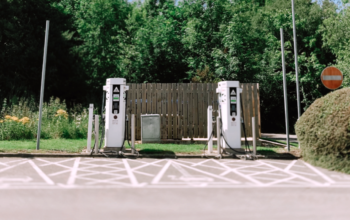
Another challenge is the deployment of charging infrastructure. Range anxiety, or the fear of running out of battery power before reaching a charging station, is a significant concern for many potential EV buyers. The deployment of a robust charging infrastructure is critical to addressing this concern and making EVs more accessible.
Recent advances in battery technology have led to significant improvements in the performance and usability of electric vehicles. Solid-state batteries, lithium-sulfur batteries, and silicon anodes are all promising developments that could lead to even longer ranges and more durable batteries. The use of AI for battery management also has the potential to improve battery lifespan and reduce the overall cost of ownership. However, there are still several challenges that must be overcome before EVs can fully replace gas-powered vehicles, including the cost of batteries and the deployment of charging infrastructure.