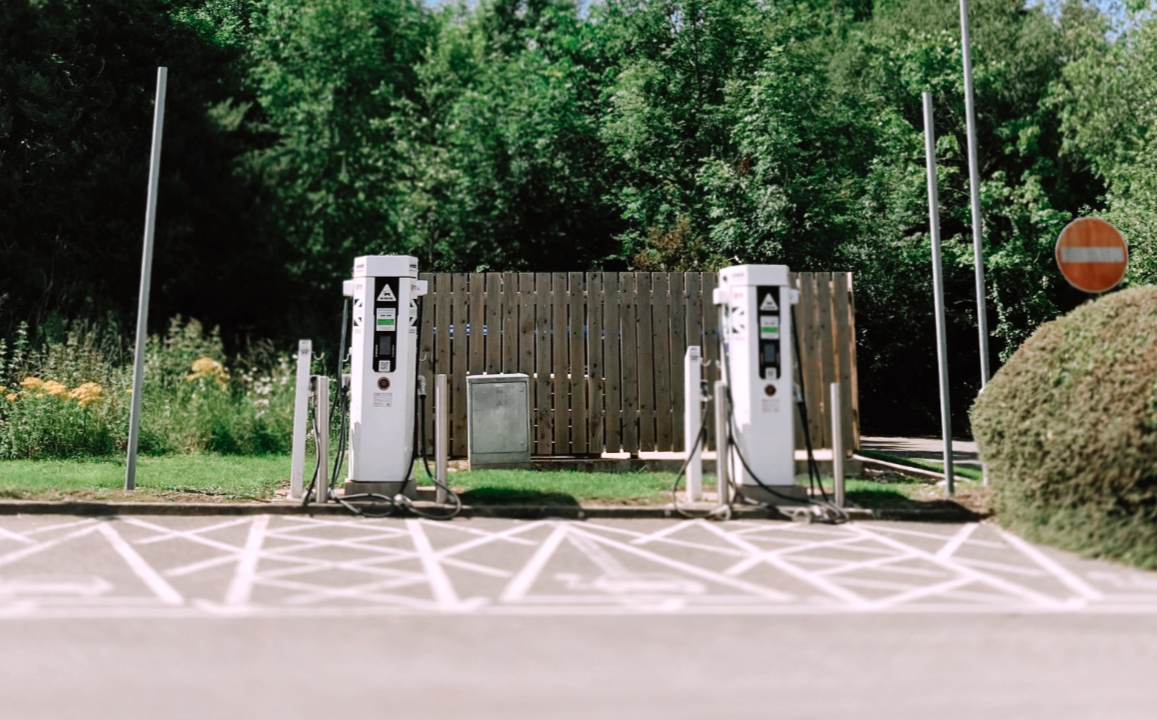
As electric vehicles (EVs) become increasingly popular, the availability and accessibility of charging infrastructure is becoming a critical factor in the adoption of EVs. While the number of charging stations has been steadily increasing in recent years, there are still several challenges that need to be addressed to ensure the widespread deployment of charging infrastructure. In this article, we will explore the current state and future of charging stations.
Current State of Charging Stations
The current state of charging stations varies widely depending on the location and the type of charger. In urban areas, public charging stations are becoming more common, with many parking garages, malls, and public spaces offering charging options for EVs. However, in rural areas or areas with limited infrastructure, charging stations can be scarce, making it more challenging to own and operate an EV.
There are three main types of charging stations: Level 1, Level 2, and DC Fast Charging (also known as Level 3). Level 1 chargers are the most basic and can be used with a standard 120-volt household outlet. They are typically used for overnight charging and can add around 4-5 miles of range per hour.
Level 2 chargers are more powerful and require a 240-volt outlet. They can add around 25 miles of range per hour and are often found at public charging stations or in private garages.
DC Fast Charging is the fastest charging option and can add up to 90 miles of range in just 30 minutes. These chargers are typically found at public charging stations along highways and major travel routes.
While the number of charging stations has been steadily increasing in recent years, there are still several challenges that need to be addressed to ensure the widespread deployment of charging infrastructure. One of the main challenges is the cost of installation and maintenance of charging stations. Installing charging stations can be expensive, and many charging stations are currently operated by private companies, which may not have a financial incentive to install stations in areas with low demand.
Another challenge is the need for standardization of charging infrastructure. There are currently several different types of charging connectors, which can make it challenging for EV owners to find a charging station that is compatible with their vehicle. The development of a standardized charging connector could help to address this issue and make charging more accessible and convenient for EV owners.
Future of Charging Stations
The future of charging stations is expected to be heavily influenced by government policies and incentives, as well as technological advancements in battery and charging technology. One of the key trends in the future of charging stations is the development of fast-charging technology. Fast-charging technology can reduce charging times and make long-distance travel more accessible for EV owners.
Another trend in the future of charging stations is the development of wireless charging technology. Wireless charging uses electromagnetic induction to transfer energy from the charging station to the vehicle without the need for a physical connection. This technology has the potential to make charging even more convenient and accessible for EV owners.
The development of smart charging infrastructure is also expected to be a significant trend in the future of charging stations. Smart charging infrastructure uses data and communication technology to optimize charging times and reduce the strain on the electrical grid. Smart charging can help to reduce the cost of charging for EV owners and ensure that the grid is not overloaded during peak charging times.
Another important trend in the future of charging stations is the development of renewable energy sources to power charging infrastructure. Renewable energy sources, such as solar and wind power, can help to reduce the carbon footprint of charging infrastructure and make EVs even more environmentally friendly.
Conclusion
The availability and accessibility of charging infrastructure are critical factors in the adoption of electric vehicles. While the number of charging stations has been steadily increasing in recent years, there are still several challenges that need to be addressed to ensure the widespread deployment of charging infrastructure. The cost of installation and maintenance, the need for standardization, and the lack of charging stations in rural or low-demand areas are all issues that need to be addressed.
However, the future of charging stations is looking bright, with technological advancements and government policies expected to drive significant improvements in charging infrastructure. Fast-charging technology, wireless charging, smart charging infrastructure, and renewable energy sources are all expected to play a significant role in the development of the charging infrastructure.
As EVs become more popular, it is becoming increasingly important for governments and private companies to invest in the development of charging infrastructure. By addressing the challenges and investing in the future of charging infrastructure, we can ensure that EVs become a viable and convenient alternative to traditional vehicles.
The future of charging stations is looking bright, with advances in technology and government policies expected to drive significant improvements in charging infrastructure. The development of fast-charging technology, wireless charging, smart charging infrastructure, and renewable energy sources are all expected to play a significant role in the future of charging stations. While there are still challenges to be addressed, the widespread adoption of EVs will ultimately depend on the availability and accessibility of charging infrastructure, making it a critical area for investment and development.