Electric vehicles (EVs) are becoming increasingly popular as we move towards a more sustainable future. One of the most critical components of EVs is the battery, which provides the vehicle with power. However, like all batteries, EV batteries eventually reach the end of their life and need to be replaced. But where do EV batteries go when they die?
The lifespan of an EV battery depends on several factors, including the type of battery, the vehicle’s usage, and environmental conditions. Most EV batteries have a lifespan of around 8-10 years, after which their performance begins to decline, and they need to be replaced.
Once an EV battery reaches the end of its life, it can no longer provide the power required to propel the vehicle. However, the battery still contains valuable materials that can be recycled and repurposed.
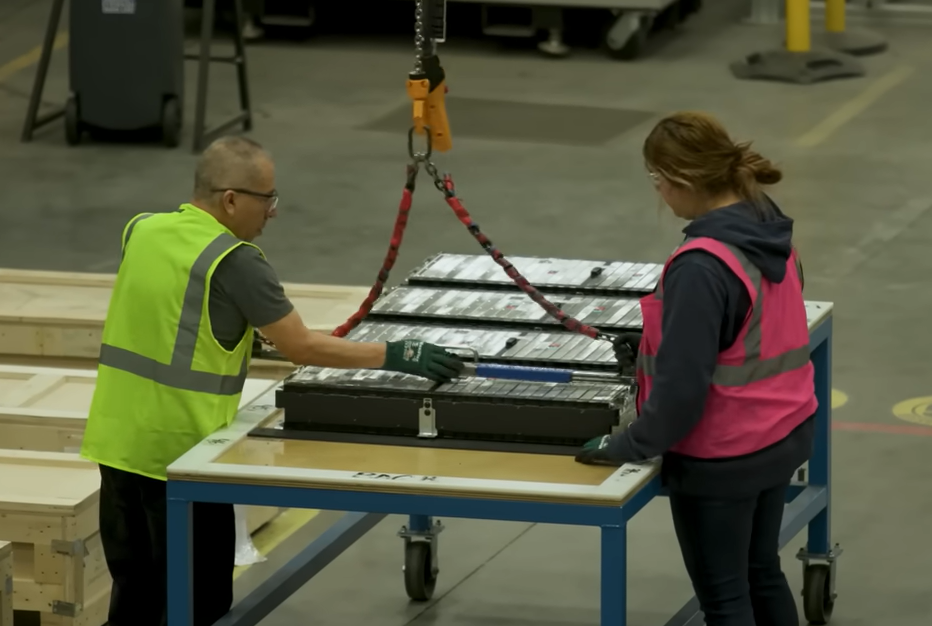
The recycling process of an EV battery begins with the removal of the battery from the vehicle. The battery is then disassembled into its individual components, which include the anode and cathode materials, electrolyte solution, and casing.
The anode and cathode materials, which are usually made of metals such as lithium, cobalt, nickel, and manganese, are then separated and processed. These materials can be used to produce new batteries or other products such as stainless steel, ceramics, and glass.
The electrolyte solution, which is usually a mixture of lithium salts and organic solvents, can also be recycled. The salts can be extracted and reused in the production of new batteries, while the solvents can be reprocessed and used in other chemical industries.
The casing of the battery, which is usually made of plastic or metal, can also be recycled. The plastic can be melted down and used in the production of new products, while the metal can be reused in the production of new batteries or other metal products.
The recycling of EV batteries is critical for several reasons. Firstly, it helps to reduce the demand for the raw materials required to produce new batteries, which are often mined in environmentally sensitive areas. Recycling also reduces the environmental impact of battery production by reducing the amount of waste that ends up in landfills.
Furthermore, recycling EV batteries can also generate revenue for the recycling industry. As the demand for EVs continues to grow, the market for recycled battery materials is expected to increase, providing an economic incentive for the recycling industry to invest in the technology and infrastructure required for recycling EV batteries.
However, recycling EV batteries is not without its challenges. One of the main challenges is the high cost of recycling compared to the value of the materials recovered. The low market value of the recovered materials means that recycling EV batteries is not always economically viable.
Another challenge is the lack of standardization in EV battery design, which makes it difficult to develop a standardized recycling process. EV batteries from different manufacturers have different designs, materials, and chemistry, which require different recycling processes.
Moreover, the demand for recycled materials is still relatively low compared to the demand for new materials. This means that the recycled materials may not be used in the production of new batteries, but rather in the production of other products, such as stainless steel, ceramics, and glass.
To address these challenges, several initiatives are underway to develop a more sustainable and efficient approach to recycling EV batteries. For example, the European Union has set a target of recycling 95% of EV batteries by 2035, which will require significant investments in recycling technology and infrastructure.
Several private companies are also investing in recycling technology to develop more efficient and cost-effective recycling processes. For example, Tesla has developed a closed-loop recycling system, which aims to recover 100% of the materials in its batteries, while other companies are exploring the use of artificial intelligence and robotics to streamline the recycling process.
When EV batteries reach the end of their life, they don’t just end up in landfills. Instead, they can be recycled and repurposed, providing a valuable source of raw materials for the production of new products. While the recycling of EV batteries is still facing several challenges, such as the lack of standardization and high costs, initiatives are underway to develop more efficient and sustainable recycling processes. With the continued growth of the EV market, the recycling of EV batteries will become increasingly important in ensuring a more sustainable and circular economy.