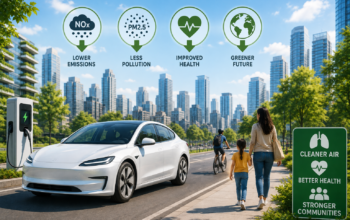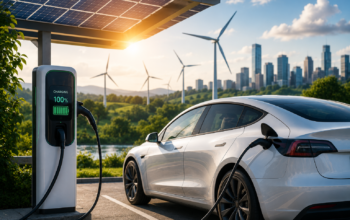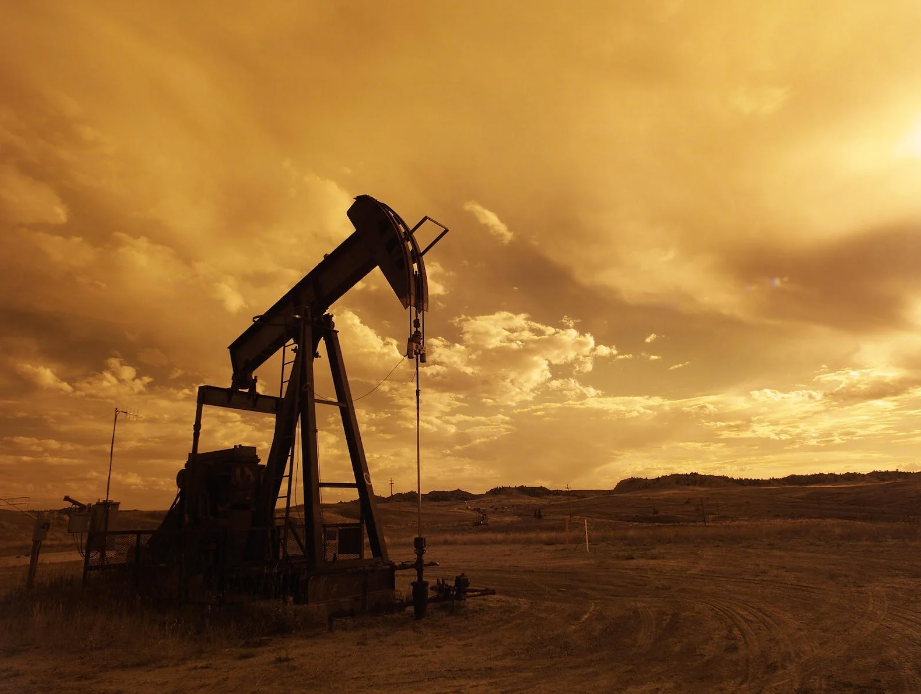
The rise of electric vehicles (EVs) is set to have a profound impact on both the oil industry and the geopolitical landscape. With EV sales continuing to rise year on year, the demand for fossil fuels is set to decrease, leaving many in the oil industry questioning what the future holds. This article will explore the potential impact of EVs on the oil industry and the wider geopolitical landscape.
The Impact of EVs on the Oil Industry
The most immediate impact of the rise of EVs on the oil industry will be a decrease in demand for oil. This is because the majority of oil consumption is for transportation, and EVs offer a clean alternative to traditional gasoline and diesel vehicles. The International Energy Agency predicts that by 2030, there will be 125 million EVs on the road, which would reduce oil demand by 3.3 million barrels per day.
This decrease in demand for oil will have far-reaching consequences for the oil industry. Oil companies will see a decline in revenue as the demand for their primary product decreases. This may lead to the closure of oil refineries, the loss of jobs, and a shift towards alternative energy sources.
However, not all oil companies will be impacted equally. Those that have diversified their business model and invested in renewable energy sources will be better positioned to weather the storm. For example, BP recently announced that they plan to invest $5 billion a year in renewable energy by 2030, while also reducing their oil and gas production by 40%.
In addition, the demand for oil will still exist in other sectors such as aviation, shipping, and heavy industry. This means that while the transportation sector may see a decrease in demand for oil, the oil industry will still have a role to play in other areas.
The Impact of EVs on the Geopolitical Landscape
The impact of EVs on the geopolitical landscape is also significant. Oil has historically been a key driver of international politics, with countries competing for access to oil reserves and using oil as a tool of diplomacy. The rise of EVs will disrupt this status quo, as the demand for oil decreases and countries look to alternative sources of energy.
Oil-producing countries, such as Saudi Arabia, Russia, and Venezuela, will be most affected by the rise of EVs. These countries have historically relied on oil revenue to fuel their economies, and a decrease in demand for oil will have significant consequences for their financial stability.
On the other hand, countries that have invested in renewable energy sources will be better positioned to benefit from the rise of EVs. For example, China has become a leader in EV production, accounting for over half of global EV sales in 2020. This has been driven by the Chinese government’s investment in renewable energy sources and their push towards a cleaner energy future.
In addition, the rise of EVs may shift the balance of power in international politics. Countries that have historically been dependent on oil imports, such as the United States and Europe, may become less reliant on oil-producing countries. This may lead to a shift in the balance of power as countries that are less dependent on oil become more self-sufficient.
Conclusion
The rise of EVs may also shift the balance of power in international politics as countries become less dependent on oil-producing countries. This may lead to a more balanced distribution of power, as countries that are less reliant on oil become more self-sufficient.
Overall, the rise of electric vehicles offers a unique opportunity for the world to transition towards a cleaner and more sustainable energy future. As more people switch to EVs, the demand for fossil fuels will continue to decrease, and renewable energy sources will become more prevalent.
This shift towards renewable energy sources has the potential to transform the way we produce and consume energy. It offers the opportunity to reduce our reliance on finite resources, reduce carbon emissions, and create a more equitable and sustainable energy system.
However, the transition towards a cleaner energy future is not without its challenges. The deployment of charging infrastructure, the cost of EVs, and the need for sustainable battery production are all issues that must be addressed.
In addition, the impact of EVs on the oil industry and the geopolitical landscape will require careful consideration. As the world transitions towards a cleaner energy future, we must ensure that we minimize the impact on those that may be adversely affected.
The rise of electric vehicles is set to have a significant impact on both the oil industry and the geopolitical landscape. The decrease in demand for oil will lead to a shift in the business models of oil companies, and may also have far-reaching consequences for oil-producing countries. However, the transition towards a cleaner energy future offers a unique opportunity to reduce our reliance on finite resources, reduce carbon emissions, and create a more equitable and sustainable energy system.