The government support for electric cars has become increasingly important in recent years as the world has shifted towards more sustainable and environmentally friendly solutions. There are several reasons why the government should support electric cars, including the following:
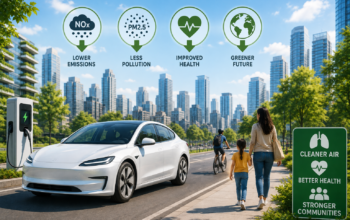
Reducing Greenhouse Gas Emissions: One of the biggest challenges facing the world today is climate change, and transportation is one of the largest contributors to greenhouse gas emissions. Electric cars emit significantly less carbon dioxide compared to traditional gas-powered cars, which can help reduce the overall emissions.
Improving Air Quality: Electric cars do not produce harmful pollutants such as nitrogen oxides, sulfur dioxide, and particulate matter, which are released from gas-powered vehicles. This can lead to significant improvements in local air quality, especially in densely populated areas.
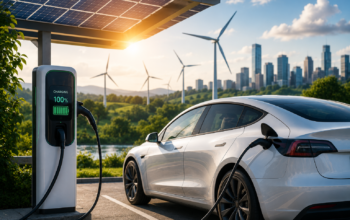
Promoting Energy Independence: Electric cars can reduce the country’s dependence on foreign oil and support the development of domestic energy sources, such as wind and solar power.
Cost Savings: Electric cars are becoming more affordable, and their operating costs are significantly lower than gas-powered cars. This can save drivers money on fuel and maintenance costs, as well as reduce the overall cost of transportation.
Job Creation: The growth of the electric vehicle industry can create new jobs in the manufacturing, engineering, and service sectors. This can help boost local economies and create new opportunities for workers.
In order to support the growth of electric cars, the government can provide incentives for consumers to purchase these vehicles, such as tax credits and subsidies. Additionally, the government can invest in the development and deployment of charging infrastructure, which will make it easier for drivers to recharge their vehicles. Furthermore, the government can also provide funding for research and development of new technologies, such as advanced batteries and more efficient charging systems.
The government support for electric cars is crucial in promoting the widespread adoption of these vehicles. There are several reasons why the government should support electric cars:
Environmental benefits: Electric cars emit significantly less greenhouse gases compared to traditional gasoline-powered vehicles, reducing air pollution and mitigating the negative impacts of climate change.
Energy independence: By reducing the demand for oil, electric cars can help increase energy independence and reduce the need for imported oil.
Economic benefits: The growth of the electric vehicle industry can lead to job creation, increased investment and technological advancements, resulting in economic benefits for the country.
Public health benefits: Electric cars produce less harmful emissions compared to gasoline-powered vehicles, leading to improved air quality and public health benefits.
Consumer benefits: Electric cars have lower operating costs compared to traditional vehicles, providing consumers with significant cost savings over the life of the vehicle.
To support the growth of the electric vehicle industry, the government can offer incentives such as tax credits, grants, and subsidies for the purchase of electric vehicles. Additionally, the government can support the development of charging infrastructure to make it easier for consumers to charge their electric cars.
The government can also promote electric vehicles through regulations, such as requiring a minimum percentage of electric vehicles in government fleets, or setting a target for the number of electric vehicles on the road by a certain date.
The government’s support for electric cars is crucial to the growth and development of the electric vehicle (EV) industry. There are several reasons why the government should support EVs, including their potential to reduce greenhouse gas emissions, improve air quality, reduce dependence on foreign oil, and create jobs.
Reducing Greenhouse Gas Emissions: One of the biggest benefits of EVs is their potential to significantly reduce greenhouse gas emissions. According to the U.S. Department of Energy, the transportation sector is responsible for over 60% of all greenhouse gas emissions in the country. The widespread adoption of EVs could significantly reduce these emissions, helping to mitigate the effects of climate change.
Improving Air Quality: Another important reason why the government should support EVs is their potential to improve air quality. The internal combustion engine (ICE) used in traditional gasoline-powered vehicles releases harmful pollutants into the air, such as carbon monoxide, nitrogen oxides, and particulate matter. By contrast, EVs produce no tailpipe emissions, meaning they don’t contribute to air pollution in the same way that ICE vehicles do.
Reducing Dependence on Foreign Oil: A third reason why the government should support EVs is their potential to reduce dependence on foreign oil. The U.S. currently imports over 60% of its oil from foreign countries, which can be a major security risk. The widespread adoption of EVs, which are powered by domestically produced electricity, could help to reduce this dependence and make the country more energy secure.
Creating Jobs: Finally, the government should support EVs because they have the potential to create jobs. The EV industry is a rapidly growing field, and as more and more EVs are produced and sold, the demand for workers in the industry will increase. This could lead to the creation of new jobs in areas such as manufacturing, engineering, and charging infrastructure development.
The government should support electric cars for a number of reasons. Firstly, electric cars are better for the environment than gasoline-powered cars. The use of electric cars reduces emissions of greenhouse gases and other pollutants, which helps to improve air quality and reduce the impact of climate change.
Another reason the government should support electric cars is that they can help to reduce dependence on oil, which is a finite resource and subject to price volatility. By supporting the development and adoption of electric cars, the government can help to reduce the country’s dependence on oil, which is a positive step toward energy independence and security.
In addition, electric cars can help to create jobs and stimulate economic growth. The development and production of electric cars requires a significant amount of research and development, as well as the manufacturing of components and vehicles. This creates jobs in a variety of industries, including engineering, manufacturing, and service.
The government support for electric cars is crucial in promoting sustainability, improving air quality, reducing dependence on foreign oil, creating jobs, and saving money for consumers. With the right policies in place, electric cars can play a major role in creating a cleaner, more sustainable future for everyone.