Electric vehicles (EVs) are rapidly becoming the future of the automotive industry, and there are several key reasons for this trend.
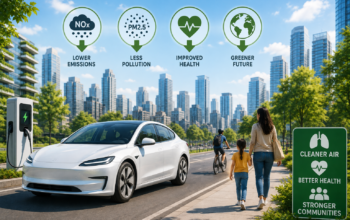
First and foremost, EVs offer a number of environmental benefits over traditional internal combustion engine vehicles. For example, EVs produce significantly fewer emissions than their traditional counterparts, and can help to reduce air pollution and improve air quality. Additionally, EVs are much more energy efficient than traditional vehicles, which can help to reduce our dependence on fossil fuels and to reduce greenhouse gas emissions.
Another major advantage of EVs is their cost-effectiveness. While the upfront cost of an EV may be higher than that of a traditional vehicle, the cost of ownership is often lower in the long run. For example, EVs typically have lower fuel costs, as well as lower maintenance and repair costs. Additionally, the improved efficiency of EVs means that they can often travel much further on a single charge, which can help to reduce the cost of travel over time.
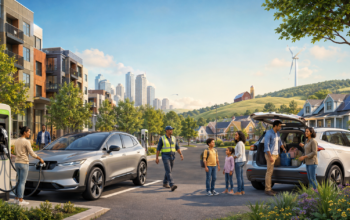
Another key factor driving the growth of the EV market is the increasing availability of charging infrastructure. As more and more charging stations are installed, it is becoming easier for people to recharge their EVs, and to travel longer distances with confidence. Additionally, the rapid growth of the EV market is also driving the development of new charging technologies, such as fast-charging and wireless charging, which are making it even easier for people to charge their vehicles.
Furthermore, the rise of EVs is also having a positive impact on the economy. For example, the increased demand for EVs is driving the growth of new industries, such as the production of batteries and other components. Additionally, the growth of the EV market is also creating new markets for the export of these products, which can help to boost the economies of countries that specialize in the production of these components.
Moreover, EVs are also becoming increasingly advanced and sophisticated. For example, many new EVs are equipped with advanced safety features, such as automatic emergency braking, lane departure warnings, and adaptive cruise control. These features can help to make driving safer and more convenient, and can help to reduce the risk of accidents and injuries. Additionally, many new EVs are also equipped with advanced infotainment systems, which can provide drivers with real-time traffic and navigation information, as well as access to music, podcasts, and other forms of entertainment.
Another important factor that is contributing to the growth of the EV market is the increasing availability of affordable options. In the past, EVs were often considered luxury items that were only affordable to a select few. However, as the technology has improved and the market has grown, more and more affordable EVs have become available, making them accessible to a wider range of consumers. Additionally, many governments around the world are offering financial incentives, such as tax credits and rebates, to encourage people to purchase EVs, which can help to further reduce the cost of ownership.
In addition to their environmental and economic benefits, EVs are also changing the way we think about transportation. For example, the increased range and improved charging infrastructure associated with EVs is making it easier for people to travel longer distances, and to travel more frequently. This is leading to a more mobile society, and is making it easier for people to explore new places and to have new experiences.
Furthermore, the growth of the EV market is also affecting the automotive industry as a whole. For example, as the demand for EVs grows, traditional automakers are having to adapt to new technologies and materials in order to compete in this growing market. This is leading to increased innovation and investment in the automotive sector, and is helping to drive the development of new technologies and products.
The growth of the EV market is also affecting the job market. For example, as the number of EVs on the road grows, there is a growing demand for workers with the skills to manufacture, maintain, and repair them. Additionally, the growth of the EV market is also creating new jobs in the development and installation of charging infrastructure, as well as in the production of batteries and other components.
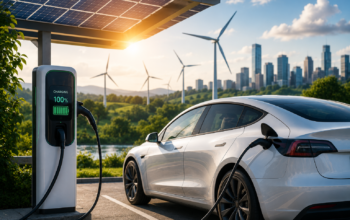
Additionally, the rise of EVs is also having a positive impact on the energy sector. As more and more people adopt EVs, demand for electric power is increasing, which is driving investment in renewable energy sources like wind and solar power. This shift away from fossil fuels and towards clean, renewable energy is helping to reduce greenhouse gas emissions and tackle climate change.
Furthermore, EVs are also helping to reduce our dependence on oil, which is a finite resource that is subject to price fluctuations and geopolitical tensions. By reducing our reliance on oil, EVs are helping to create a more secure and stable energy future for us all.
Another important factor to consider is the impact that EVs are having on public health. Conventional internal combustion engines emit a range of harmful pollutants, such as nitrogen oxides (NOx) and particulate matter, which can have negative effects on human health. EVs, on the other hand, produce zero tailpipe emissions, which means that they are much cleaner and healthier for people to be around.
Finally, it’s worth mentioning that EVs are also helping to create new job opportunities and to boost economic growth. The production of EVs and their associated charging infrastructure is creating new jobs in manufacturing, engineering, and construction, while the growth of the EV market is also boosting demand for related services and products, such as charging stations, batteries, and renewable energy.
There are many compelling reasons why EVs are the future of the automotive industry. From their environmental benefits and cost-effectiveness, to their growing availability and the positive impact they are having on the economy, the growth of the EV market is a clear sign that the future of transportation is electric. By investing in EVs and supporting the growth of the EV market, we can help to create a better future for ourselves and for generations to come.