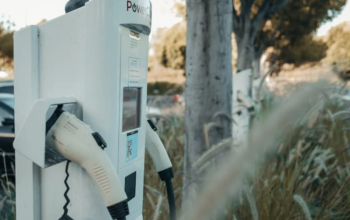
The electric vehicle (EV) market has experienced significant growth in recent years, with many consumers opting for these vehicles due to their environmental benefits and lower operating costs. Despite these advantages, the biggest challenge facing the widespread adoption of EVs is the limited range and charging infrastructure.
One of the main limitations of EVs is their relatively short range compared to traditional gasoline-powered vehicles. This means that drivers need to plan their trips carefully and take into account the availability of charging stations along their route. For many drivers, this can be a significant inconvenience, particularly for those who frequently travel long distances.
Another challenge is the limited availability of charging infrastructure, both at home and in public spaces. While the number of charging stations is growing, many drivers still struggle to find charging options when they need them. This can make it difficult to rely on an EV for long-distance travel, and can be a barrier to widespread adoption.
Cost is another major challenge facing the EV market. While the operating costs of EVs are generally lower than those of gasoline-powered vehicles, the upfront cost of purchasing an EV is still significantly higher. This can be a barrier for many consumers, particularly those on a tight budget, who may not have the financial resources to purchase an EV.
Battery technology is also a challenge for the EV market. While the technology has improved in recent years, EVs still face issues with battery life, durability, and performance in extreme weather conditions. This can impact the range and overall performance of EVs, and can make them less appealing to some consumers.
The lack of standardization in the EV market is another challenge. There are many different types of EVs on the market, each with its own charging requirements and capabilities. This can make it difficult for consumers to choose the right vehicle for their needs, and can also lead to confusion and frustration when it comes to charging and maintaining their vehicle.
Despite these challenges, the EV market is expected to continue to grow in the coming years. Governments and private companies are investing in charging infrastructure and battery technology, and advances in these areas are likely to help address some of the biggest challenges facing the EV market. Additionally, as more consumers adopt EVs, the market will likely become more competitive, leading to lower prices and more accessible charging options.
It’s important to note that while the challenges mentioned above can be significant, there are also many benefits to owning an electric vehicle. For example, EVs produce zero tailpipe emissions, making them a much cleaner option than traditional gasoline-powered vehicles. They are also often quieter, smoother, and more efficient to drive, which can make the driving experience more enjoyable.
Another advantage of EVs is their lower operating costs. Since EVs have fewer moving parts than gasoline-powered vehicles, they require less maintenance, which can save drivers money in the long run. Additionally, the cost of charging an EV is often significantly lower than the cost of filling up a gasoline-powered vehicle, making EVs a more cost-effective option for many drivers.
In addition to these benefits, EVs can also have a positive impact on the environment. By reducing the demand for gasoline and diesel, EVs can help to reduce greenhouse gas emissions and air pollution, which are major contributors to climate change.
There are also many incentives available to encourage the adoption of EVs. For example, many countries offer tax credits or rebates to buyers of EVs, which can significantly reduce the upfront cost of purchasing an EV. Some cities also offer free or reduced-price parking, as well as access to HOV lanes, which can make driving an EV more convenient and attractive.
It’s important to note that the EV market is rapidly evolving, and many of the challenges mentioned above are likely to be addressed in the coming years. For example, advances in battery technology are likely to increase the range and performance of EVs, making them a more practical option for longer trips. Additionally, the growth of the charging network is expected to make charging more convenient and accessible, which will make EVs a more appealing option for many drivers.
It’s important to keep in mind that the future of electric vehicles looks very promising, with many new models being introduced by major automakers and advances in battery technology increasing the range and performance of EVs. Additionally, the growth of charging networks and the increasing availability of charging options are likely to make it even easier and more convenient to own and drive an EV.
However, there are still some challenges that need to be addressed in order to make EVs a more practical and accessible option for all drivers. For example, the upfront cost of purchasing an EV is still higher than that of a traditional gasoline-powered vehicle, which can be a barrier for some drivers. Additionally, the charging infrastructure is not yet as widely available as it needs to be, which can make it difficult for drivers to find charging options when they need them.
In order to address these challenges and make EVs a more attractive option for all drivers, it will be important for governments, automakers, and other stakeholders to work together to provide incentives, increase charging infrastructure, and promote the widespread adoption of EVs. For example, governments could offer tax credits or rebates to buyers of EVs, which would help to reduce the upfront cost and make EVs more accessible. Automakers could work to increase the range and performance of EVs and make them more affordable, while charging networks could expand to make charging more widely available.
Ultimately, the future of electric vehicles looks very promising, with many benefits and incentives that make EVs an attractive option for many drivers. Whether you’re an early adopter, a budget-conscious driver, or simply someone who cares about the environment, there are many compelling reasons to consider an electric vehicle. So if you’re in the market for a new car, it’s worth considering an EV and taking advantage of the many benefits it has to offer.
The biggest challenge facing the widespread adoption of EVs is the limited range and charging infrastructure. However, as the market continues to grow, advances in technology and investment in charging infrastructure are likely to help address these challenges and make EVs a more accessible and practical option for consumers. By keeping an eye on these developments and carefully considering their needs and budget, consumers can help ensure that they make the right decision when it comes to choosing an electric vehicle.