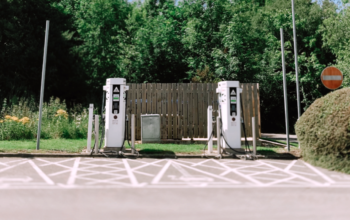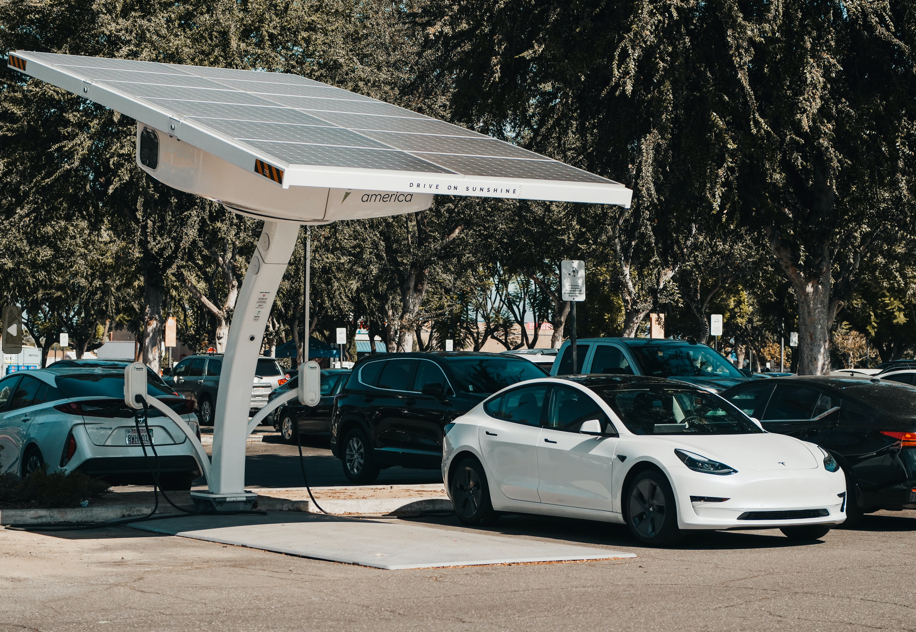
An electric vehicle (EV) is a type of vehicle that uses electricity as its primary source of power, rather than gasoline or diesel fuel. EVs come in many different forms, including cars, buses, and trucks, and they are becoming increasingly popular as a more sustainable and cost-effective alternative to traditional internal combustion engine vehicles.
At the heart of every EV is a battery pack, which stores electrical energy that is used to power the vehicle. The battery pack is typically made up of many individual batteries or cells, which are connected together to provide a high voltage and large capacity. The battery pack is charged by plugging the vehicle into an electrical outlet or a charging station.
When the driver presses the accelerator pedal, the electrical energy stored in the battery pack is sent to the electric motor, which uses it to generate torque and turn the wheels. The electric motor is typically much smaller and lighter than a traditional internal combustion engine, and it can provide instant torque and acceleration, which provides a more responsive and engaging driving experience.
The electric motor is controlled by an electronic controller, which manages the flow of electrical energy to the motor. The controller also manages the flow of energy from the regenerative braking system, which uses the energy generated by the brakes to recharge the battery pack. This helps to improve the efficiency of the vehicle and extend the range between charges.
In addition to the electric motor and battery pack, an EV also includes a number of other components, such as an inverter, which converts the direct current (DC) stored in the battery pack into the alternating current (AC) needed to power the electric motor, and a charging port, which allows the vehicle to be charged. Some EVs also include a range extender, such as a small internal combustion engine, which generates electricity to recharge the battery pack and extend the range of the vehicle.
The components of an EV are housed in a lightweight and aerodynamic body, which helps to reduce the weight of the vehicle and improve its efficiency. The body is also designed to be as safe as possible, with features such as crumple zones and energy-absorbing materials to help protect the occupants in the event of a crash.
One of the key advantages of EVs is their low operating costs, which are much lower than traditional internal combustion engine vehicles. This is due to the lower cost of electricity compared to gasoline or diesel fuel, as well as the reduced maintenance costs associated with EVs. The lack of an internal combustion engine also means that there are fewer moving parts in an EV, which reduces the likelihood of mechanical failure and the need for repairs.
Another advantage of EVs is their environmental benefits, as they produce significantly lower greenhouse gas emissions than traditional internal combustion engine vehicles. This is because the generation of electricity used to recharge the battery pack is becoming increasingly clean and renewable, and because EVs are much more energy-efficient than traditional vehicles.
In addition to the environmental and economic benefits of EVs, they also provide a unique driving experience. Without the need for a traditional transmission and gears, EVs offer smooth and quiet acceleration, and the instant torque provided by the electric motor gives the vehicle a sporty and responsive feel.
EVs also offer advanced features, such as regenerative braking, which uses the energy generated by the brakes to recharge the battery pack, and advanced driver assistance systems (ADAS), which use sensors and cameras to provide safety and convenience features, such as lane departure warning, automatic emergency braking, and adaptive cruise control.
The interior of an EV is also designed to provide a comfortable and convenient driving experience, with features such as a large touch screen display, climate control, and audio systems. The design of the interior is also focused on minimizing distractions and improving visibility, which helps to improve safety.
Another advantage of EVs is their versatility, as they can be used for a wide range of applications, including personal transportation, commercial delivery, and public transportation. For example, many cities are now using electric buses to provide clean and efficient public transportation, and electric delivery vehicles are becoming increasingly popular for their low operating costs and environmental benefits.
However, there are also some challenges associated with EVs that need to be addressed. One of the main challenges is the limited range of many EVs, which can make it difficult for drivers to complete long trips without having to stop and recharge the battery. This is why the development of fast charging infrastructure is so important, as it will make it easier for drivers to complete longer trips in an EV.
Another challenge facing the growth of the EV market is the high upfront cost of EVs, which is often higher than that of traditional internal combustion engine vehicles. While the lower operating costs of EVs can offset this over time, it can be difficult for some consumers to justify the higher upfront cost. Governments and private companies are working to address this by offering incentives, such as tax credits, to encourage the adoption of EVs, but more needs to be done to make EVs more affordable for consumers.
In conclusion, EVs are an innovative and sustainable alternative to traditional internal combustion engine vehicles. They are powered by a battery pack and an electric motor, and they offer many advantages, including low operating costs, instant torque and acceleration, and low greenhouse gas emissions. While there are still challenges to be addressed, such as the availability of charging infrastructure and the issue of battery recycling and disposal, the growth of the EV market is driving innovation and creating new business opportunities. Whether for personal use or commercial applications, EVs are an important part of the solution to reducing greenhouse gas emissions, addressing climate change, and creating a more sustainable and cost-effective transportation system.
Read more related articles:
https://afdc.energy.gov/vehicles/how-do-all-electric-cars-work